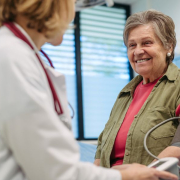

Hypothyroidism, an underactive thyroid, is a common condition that often goes undiagnosed, particularly in women, because its symptoms can be subtle and easily mistaken for stress, aging, or even menopause.

At EssexPrivateGP, we see many women who have been feeling ‘not quite themselves’ for months, only to discover through a simple blood test that their thyroid is the real culprit. With the right diagnosis and treatment, most people feel significantly better, so recognising the early signs is key.

Understanding the thyroid and why symptoms are often missed

The thyroid is a small gland in the neck that plays a big role in regulating metabolism, energy production, temperature control, and hormone balance. When it isn’t producing enough thyroid hormone, the whole body slows down.

What makes hypothyroidism difficult to spot is the way symptoms overlap with other health issues. Fatigue, weight gain, low mood, and cold sensitivity can easily be put down to winter gloom or perimenopause. In fact, the British Thyroid Foundation highlights that thyroid disorders and menopause share many similarities, including brain fog, irregular periods, and changes in temperature regulation. This overlap often means women don’t seek help straight away, assuming what they’re experiencing is a normal part of midlife.

While these symptoms might be common, they’re not something you should simply accept, especially if they are persistent or affecting your daily life.

The signs you shouldn’t ignore

One of the most common symptoms of hypothyroidism is unexplained fatigue. This isn’t the usual tiredness that follows a long day; it’s a deeper exhaustion that doesn’t improve with rest. Many women describe feeling as though they’re running on empty, no matter how much sleep they get.

Weight gain is another frequent concern. The slowing of the metabolism means that even a balanced diet and regular exercise may not prevent gradual weight increase. It can be frustrating, and puzzling, when lifestyle habits haven’t changed.

Cold sensitivity is particularly noticeable in winter. If you feel unusually cold compared to others, struggle with cold hands and feet, or take longer to warm up, your thyroid may be playing a part.

Other signs can include dry skin, constipation, hair thinning, heavy periods, low mood, and difficulty concentrating. While each of these symptoms could have other causes, a combination of several, especially if they develop gradually, can point toward hypothyroidism.

How thyroid testing can make a difference

A simple blood test is usually all it takes to check your thyroid health. This includes measuring TSH (thyroid stimulating hormone) and T4 levels, which help us understand whether your thyroid is producing the right amount of hormone. For some women, additional tests, such as thyroid antibody screening, may be useful, particularly if there’s a family history of autoimmune thyroid disease.

At EssexPrivateGP, we offer quick and comprehensive thyroid testing and no long waits for results. Once we have a clear picture, we can discuss a personalised treatment plan that may include thyroid hormone replacement, lifestyle adjustments, and ongoing monitoring.

The difference proper treatment can make is often dramatic. Energy returns, mood improves, metabolism stabilises, and many women feel far more like themselves within weeks.

Managing hypothyroidism through lifestyle and support

While medication is the cornerstone of treatment, lifestyle also plays an important role. Eating a balanced diet, managing stress, and getting regular movement all support thyroid function and overall wellbeing.

As thyroid symptoms overlap with menopause and other hormonal changes, many women benefit from a joined-up approach to care. Understanding how these systems interact means you can manage symptoms more effectively.

If you’ve been feeling unusually tired, cold, or not quite yourself, it may be time to check your thyroid health. Get in touch with EssexPrivateGP to arrange a thyroid blood test and get clear, supportive guidance on the next steps toward feeling well again.


At EssexPrivateGP, we see a rise in winter-related health concerns every year, from coughs and colds to flare-ups of chronic conditions. Colder weather, reduced sunlight, and an increase in seasonal viruses all play their part, making it a time when taking extra care of your wellbeing really matters.

The good news is that a little preparation goes a long way. With the right steps, you can boost your immunity, manage existing health issues, and stay comfortable throughout the season.

Protecting yourself against winter illnesses

One of the best ways to protect yourself during the colder months is through vaccination. The flu jab remains one of the most effective defences against seasonal influenza, helping to reduce both your risk of infection and the severity of symptoms if you do catch it. For those who are eligible, the COVID booster is another important measure to help safeguard your health over the winter.

Both the NHS and local healthcare providers recommend vaccination for anyone at higher risk, including older adults, pregnant women, and people with underlying health conditions such as asthma, diabetes, or heart disease. Even if you’re fit and healthy, getting vaccinated helps reduce the spread of viruses to others who may be more vulnerable.

If you’re not sure if you’re in the high risk group visit > https://www.nhs.uk/vaccinations/flu-vaccine

Colds and flu thrive in colder weather and close indoor environments, so simple hygiene habits also make a big difference. Washing hands regularly, keeping surfaces clean, avoiding crowds and staying home when you’re unwell are all small but effective ways to limit the spread of infection.

Supporting your immune system naturally

Winter can test your immune system, but good nutrition, hydration, and lifestyle habits can give it the support it needs. A balanced diet rich in fruit, vegetables, and whole grains provides essential vitamins and minerals that help your body fight off illness. Nutrients such as vitamin C, zinc, and vitamin D play key roles in maintaining immune strength.

If you spend little time outdoors in winter, you may want to consider a vitamin D supplement, as recommended by the NHS during the darker months. Regular physical activity also helps boost immune function and circulation, even if that just means a brisk walk or some gentle stretching at home. Keeping a routine that includes movement, rest, and proper nutrition can go a long way in helping you feel well.

High stress levels can weaken the immune system, making you more susceptible to illness. Taking time to relax, whether through mindfulness, reading, or spending time with loved ones, can help maintain balance.

Managing chronic conditions and saying warm

For anyone living with a long-term health condition, winter can present extra challenges. Cold air may trigger symptoms of asthma or respiratory problems, while arthritis and joint pain often feel worse in lower temperatures. Monitoring your symptoms, taking prescribed medication consistently, and booking regular check-ups with your GP can help keep things stable.

It’s also important to stay warm. The NHS advises keeping your home heated to at least 18°C (65°F), particularly in living rooms and bedrooms, to reduce the risk of illness. The NI Direct guide on staying warm offers practical tips, from wearing several light layers instead of one thick jumper, to making sure heating systems are serviced before the coldest weather sets in.

Taking a proactive approach

Winter wellness is about being proactive rather than reactive. That might mean scheduling a flu jab, or booking a routine review of your blood pressure, cholesterol, or existing medication. These small steps can make a big difference in helping you avoid complications and stay well all season long.

If you’d like to arrange a Well Person Check, contact EssexPrivateGP today. Together, we’ll make sure you stay healthy and well-supported through the colder months ahead.

This Diabetes Awareness Month, it’s a good time to take a closer look at a condition that’s becoming increasingly common but is also highly manageable when detected early.

Type 2 diabetes doesn’t usually appear overnight. It often develops gradually, starting with insulin resistance, when the body’s cells stop responding properly to insulin, the hormone that helps regulate blood sugar levels. Over time, this resistance can cause blood glucose to rise, placing extra strain on the pancreas and increasing the risk of serious complications if left unchecked.

At EssexPrivateGP, we believe that understanding your personal risk is the first step toward prevention. With quick, reliable testing and practical lifestyle support, you can catch changes early and take control before symptoms progress.

How insulin resistance affects the body

When everything is functioning normally, insulin helps move glucose (sugar) from the bloodstream into cells, where it’s used for energy. In insulin resistance, that process doesn’t work as efficiently. As a result, the body tries to produce more insulin to compensate, but over time, the system becomes overwhelmed.

This disruption affects more than just sugar levels. Insulin resistance also interferes with the metabolism of fats, which can cause higher levels of cholesterol and triglycerides in the blood. Combined with raised glucose levels, these changes increase the risk of cardiovascular problems, such as heart disease and stroke.

Insulin resistance often develops silently and you may feel completely fine while your blood sugar and lipid levels are slowly rising. Subtle signs can include tiredness after meals, weight gain around the abdomen, sugar cravings, or feeling unusually hungry or thirsty. However, many people don’t notice any symptoms at all until blood tests reveal a problem.

The rising risk in younger adults

Traditionally, Type 2 diabetes has been associated with older age, but recent evidence suggests that’s no longer the case. A 2025 study found a rising incidence of Type 2 diabetes in younger people, with lifestyle factors such as diet, stress, and reduced physical activity playing a key role.

Younger adults often underestimate their risk because they feel healthy and active. However, modern habits like long working hours, sedentary lifestyles, and convenience-based eating, are contributing to earlier onset.

The positive takeaway is that these same factors can also be changed. Regular check-ups and simple adjustments to nutrition, exercise, and sleep can significantly reduce your risk of developing diabetes, regardless of age.

Well Person Health Checks

Early detection is one of the most powerful tools in managing or preventing Type 2 diabetes. At EssexPrivateGP, we offer comprehensive Well Person Health Checks which include blood glucose (HbA1C) checks, as well as lipid profile testing to assess cholesterol and triglyceride levels.

If your results show early signs of prediabetes or raised lipid levels, we’ll work with you on a tailored plan that could include dietary guidance, exercise recommendations, and, if needed, medication.

Small daily habits can make a big impact such as staying active, prioritising whole foods over processed ones, getting enough sleep, and finding ways to manage stress all support healthy blood sugar and insulin balance.

Regular check-ups are equally important, especially if you have a family history of diabetes, are overweight, or have high blood pressure or cholesterol.

Book your Well Person Check today at EssexPrivateGP today. Our team can guide you through understanding your results and create a plan to keep your blood sugar, and your overall wellbeing, on track.

Each year, the Movember Foundation campaign highlights men’s health, both physical and mental, and encourages men to take charge of their wellbeing. Regular health checks are one of the best ways to stay on top of your long-term health.

At EssexPrivateGP, we offer personalised men’s health services designed to give you a clear picture of your wellbeing and the reassurance that everything’s working as it should.

Men’s prostate health checks

The PSA (prostate-specific antigen) test measures the amount of PSA in your blood. This is a protein produced by the prostate gland. A raised PSA level doesn’t always mean prostate cancer, but it can indicate that something needs further investigation, such as an enlarged prostate or inflammation.

Since prostate cancer is the most common cancer in men in the UK, regular testing is a sensible part of routine health monitoring, particularly if you’re over 50 or have a family history of the disease.

Research carried out by Aviva found that a quarter of men aged 25-54 were not aware of the symptoms of prostate cancer. Symptoms including frequent, weak or painful urination, difficulty starting or stopping urination, feeling the bladder has not emptied fully, or blood in urine or semen should always be checked out. However, prostate cancer doesn’t always show symptoms in the early stages, so a regular screening is crucial.

At EssexPrivateGP, we take a balanced approach to PSA testing. We’ll discuss the benefits and limitations of the test with you, review your individual risk factors, and guide you through what your results mean. If further tests or referrals are needed, we’ll make sure you have clear information and ongoing support at every step.

Cardiovascular health checks

Heart health plays a major role in men’s overall wellbeing. Regular blood pressure and cholesterol checks can help identify early signs of cardiovascular problems before symptoms appear. High blood pressure and elevated cholesterol are two of the biggest risk factors for heart disease, but both are manageable through early intervention, healthy eating, regular exercise, and, if necessary, medication.

Our Well Man Checks include a comprehensive review of your cardiovascular health, along with blood glucose and other key markers. These assessments are designed to give you an honest, detailed overview of your health, so you can make informed choices about how to maintain or improve it.

Supporting your mental health

In the UK, men are still less likely than women to seek help for mental health concerns, even though stress, depression, and anxiety are incredibly common. According to Movember statistics, three out of four suicides in the UK are by men, and around one in eight men experience a mental health problem at any given time.

There are ways to help reduce stress and improve mood, including spending time outdoors, regular exercise and getting enough sleep (adults should aim for seven to nine hours each night). A recent study found that spending at least two hours a week in nature significantly boosts psychological wellbeing and physical health.

It’s important to know that you’re not alone, and connecting with others is especially important when going through a rough patch with your mental health. If you are really struggling with your mental health, Samaritans offers a 24-hour free hotline (phone 116 123), or call NHS 111 option 2.

At EssexPrivateGP, we provide a safe, confidential space to discuss mental health openly, and we can connect you with counselling or further support where needed.

Book your Well Man Health Check today and take the next step toward a healthier, more balanced you.

Most of us experience stress from time to time, it’s a natural part of life. A little pressure can even be helpful, keeping us alert, motivated, and focused. But when that stress becomes constant, unrelenting, or starts to feel impossible to manage, it can gradually lead to burnout.

Unlike ordinary tiredness or a tough week at work, burnout is a deeper, longer-lasting state of emotional, mental, and physical exhaustion. With World Mental Health Day this month, it’s a good time to check in with yourself and notice how you’re really feeling.

At EssexPrivateGP, we regularly see patients who are running on empty, unsure whether what they’re experiencing is just ‘normal stress’ or something more serious. Understanding the difference, and knowing when to seek help, can make all the difference in recovering your energy and wellbeing.

Recognising the signs of burnout

Burnout doesn’t happen overnight. It tends to creep up slowly, often disguised as just another busy spell or a bit of fatigue. You may notice that you’re more irritable, finding it harder to concentrate, or that sleep no longer feels restorative. Physical symptoms such as headaches, muscle tension, or digestive issues are also common. Emotionally, burnout can bring feelings of detachment or hopelessness, especially when it feels like no amount of rest or effort makes a difference.

Research shows how prolonged workplace stress and emotional exhaustion can significantly impact cognitive performance, sleep quality, and motivation. According to its findings, 10% of the European workforce experience burnout.

Burnout isn’t just a mental state, it affects how your body functions too. Hormonal imbalances can disrupt circadian rhythms, alongside changes in immune function, which is why support needs to be both psychological and physical.

If you’ve been feeling ‘off’ for a while, more tired than usual, or finding that small tasks feel overwhelming, it could be time to pause and reassess. Burnout can affect anyone, from high-performing professionals to caregivers or parents juggling too much at once. The important thing is recognising that needing support isn’t a sign of weakness, it’s a signal that your body and mind are asking for a reset.

How a GP can help

When chronic stress begins to affect your daily life, it’s worth speaking with a GP. At EssexPrivateGP, we take a holistic approach to identifying and managing burnout, starting with a detailed consultation to understand your symptoms and lifestyle. Sometimes, what feels like burnout can be linked to underlying physical causes such as thyroid imbalance, anaemia, or low vitamin levels. In these cases, simple blood tests can help uncover issues that may be contributing to fatigue or low mood.

Once we’ve carried out a full assessment, we can focus on creating a tailored plan to help you recover. That may include guidance on lifestyle changes, psychological support, or referrals if needed. Our role is to help you regain balance, physically and mentally, and prevent burnout from becoming a long-term pattern.

Restoring balance and building resilience

The road to recovery from burnout begins with slowing down and rebuilding at your own pace. Prioritising sleep is a good place to start. Quality rest helps regulate hormones, improve focus, and support emotional stability. Creating a consistent bedtime routine, limiting screen use before bed, and aiming for seven to eight hours of rest each night can make a big difference.

Physical activity also plays a role, not intense training or punishing workouts, but gentle, regular movement like walking, yoga, or swimming. These activities lower stress hormones, release endorphins, and help the body reset. Mindfulness and meditation can be helpful too, teaching the mind to pause and refocus instead of running on autopilot. Over time, these small, consistent habits can strengthen resilience and make you better equipped to handle life’s challenges without feeling overwhelmed.

If you’re feeling exhausted, detached, or simply not yourself, don’t wait for things to reach breaking point. Book an appointment with EssexPrivateGP to discuss how you’re feeling and explore medical or lifestyle support options, including blood tests to check for causes of fatigue.

As October is Menopause Awareness Month, we’re shining a light on this important midlife phase.

From unpredictable symptoms to changing hormone levels, this transition can bring physical and emotional challenges that vary from one person to the next. A recent study has highlighted how bothersome symptoms often begin before in the phase leading up to menopause, that still require careful management.

Whether you’re experiencing the early signs of perimenopause or are already in menopause, our team is here to provide a clearer picture.

The Australian Women’s Midlife Years (AMY) Study

Perimenopause is the stage leading up to menopause, when hormone levels, particularly oestrogen and progesterone, begin to fluctuate. This period can last for several years, often starting in a woman’s 40s, though it varies for everyone. Menopause itself is confirmed when you haven’t had a period for 12 consecutive months.

A recent study involving over 8,000 women (The Australian Women’s Midlife Years Study), published in The Lancet Diabetes & Endocrinology, found that 37% of women in late perimenopause experience moderate to severe vasomotor symptoms, such as hot flushes and night sweats. These aren’t just uncomfortable, they can significantly disrupt sleep, concentration, and quality of life.

Other common symptoms include irregular periods, mood changes, anxiety, low libido, vaginal dryness, and joint aches. Some women also notice memory lapses or ‘brain fog,’ which can make work and daily life feel more challenging than usual.

It’s important to remember that everyone’s experience of menopause is different, with some experiencing symptoms earlier than others. The changes may start subtly and build gradually, which is why recognising and addressing symptoms early can help you manage them more effectively.

Testing and treatment options

If you suspect you’re going through perimenopause or menopause, your GP can help confirm it and discuss treatment options. Blood tests to measure hormone levels (such as FSH and oestradiol) can be useful in some cases, although diagnosis is often based on symptoms and age. At EssexPrivateGP, we take the time to listen, understand your experience, and provide tailored support.

For many women, Hormone Replacement Therapy (HRT) is a highly effective way to relieve symptoms. HRT works by replenishing the hormones that naturally decline during menopause. This helps to reduce hot flushes, improve mood and sleep, and protect long-term bone and heart health. There are several types and delivery methods available, from patches and gels to tablets, and finding the right one for you is an individual process.

We’ll guide you through the options, discuss potential benefits and risks, and help you make an informed choice.

For those who can’t, or prefer not to take HRT, there are alternative non-hormonal treatments that can still provide relief. These include options such as red clover, sage and sea buckthorn oil, and lifestyle changes to support your overall wellbeing.

Lifestyle changes that support your menopause health

While medical treatment can be transformative, lifestyle adjustments often play a big role in managing symptoms. Regular exercise, for example, can help stabilise mood, strengthen bones, and improve cardiovascular health. A balanced diet can also help support hormone balance and bone strength.

At EssexPrivateGP, we also take a holistic approach to menopause care. That means looking beyond hormones and ensuring that blood pressure, cholesterol, thyroid function, and mental wellbeing are all considered as part of the bigger picture.

If you’re finding menopause or perimenopause difficult to manage, you don’t have to go through it alone. Book a personalised consultation with EssexPrivateGP to discuss your symptoms, testing options, and treatment choices. Together, we’ll create a plan that supports your health, restores your confidence, and helps you feel more comfortable through every stage of this midlife change.

When it comes to long-term health, two of the most important numbers you can keep an eye on are your blood pressure and cholesterol levels. They’re some of the clearest indicators of how well your heart and blood vessels are coping.

High blood pressure or raised cholesterol often go unnoticed until they cause problems, yet both are strongly linked to cardiovascular disease, the leading cause of death.

At EssexPrivateGP, we encourage patients to think of cardiovascular monitoring as a proactive investment in their health.

Why regular monitoring matters

Blood pressure and cholesterol levels don’t just reflect your current health; they’re also predictors of what may lie ahead. High blood pressure, also known as hypertension, puts extra strain on your arteries and your heart, making it harder for blood to flow efficiently.

Cholesterol, meanwhile, is a fatty substance found in the blood. We all need some cholesterol to stay healthy, but when levels are too high, fatty deposits can build up in the arteries. This process, known as atherosclerosis, narrows blood vessels and makes it more likely for clots to form. The outcome can be serious with the potential for heart attacks, strokes, and reduced circulation.

The difficulty is that both hypertension and high cholesterol are usually symptomless. You could feel perfectly fine and still be at risk. That’s why routine checks are so important. Simple tests can reveal potential problems long before symptoms appear, giving you the chance to make changes through lifestyle adjustments, medication, or both.

Lifestyle changes that support heart health

If your blood pressure or cholesterol levels are creeping up, there are many ways to bring them back under control. Plenty of evidence shows that a diet rich in fruits, vegetables, whole grains, and lean proteins supports healthier arteries. Regular movement, whether that’s brisk walking, swimming, or cycling, can also help manage weight, strengthen the heart, and lower blood pressure. The charity Heart UK has some useful tips on heart-healthy recipes for lowering cholesterol here.

Research has also shown the benefits of meditation and mindfulness practices in lowering blood pressure. A review published in the Journal of the American Heart Association, found that regular meditation may help reduce hypertension by encouraging relaxation, improving stress management, and even supporting healthier lifestyle choices.

While meditation alone isn’t a replacement for medical treatment, it can be a valuable tool to complement other heart-healthy habits.

Reducing alcohol intake, quitting smoking, and getting enough sleep also play a big role. For those with an existing diagnosis of hypertension or raised cholesterol, prescribed medication, when taken consistently, can make all the difference in reducing long-term risks.

How EssexPrivateGP can help

At EssexPrivateGP, we make it simple to stay on top of your cardiovascular health. Our Well Person Health Checks include blood pressure monitoring, lipid profiling for cholesterol levels, and blood glucose testing, giving you a clear snapshot of your overall risk factors. We’ll take the time to explain what the numbers mean, discuss any concerns you have, and create a plan that works for your lifestyle.

Whether you’re managing a family history of heart disease, keeping an eye on your numbers as you get older, or are simply wanting to feel more confident about your health, these assessments provide a practical, proactive way forward.

If you’d like to understand your cardiovascular health more clearly, book a Well Person health check today.

When we think about sexually transmitted infections (STIs), it’s easy to imagine they’re mostly an issue for younger people. However, STIs don’t discriminate by age, and in fact, rates of infection among older adults have been steadily rising.

Whether you’re in your 20s or your 50s, staying on top of sexual health is just as important as managing any other aspect of wellbeing.

The rise of STIs in older adults

Recent figures from the UK Health Security Agency show that STI diagnosis rates among people aged 45 and over have risen significantly. According to the 2024 national report on sexual health in England, there has been a particular rise in infections such as chlamydia and gonorrhoea, which were once thought to primarily affect younger age groups.

There are a few reasons behind this rise. More people in their 40s, 50s and beyond are coming out of long-term relationships and starting new ones. While contraception may have been considered from the perspective of primarily avoiding pregnancy in younger years, barrier protection like condoms also plays a crucial role in reducing STI transmission. Without them, the risk of infection naturally increases.

People in midlife may be less likely to view themselves as ‘at risk’. They may not test as often as they should. Sexual activity at any age carries some risk of infection, and the best way to protect yourself and your partner is through regular, proactive screening.

Why regular testing is so important

STIs don’t always cause obvious symptoms, which means you could have an infection without realising it. Chlamydia and gonorrhoea, for example, may cause discomfort when passing urine or unusual discharge. However, many people won’t notice anything at all until complications arise. Left untreated, these infections can lead to pelvic inflammatory disease, reduced fertility, or ongoing pelvic pain.

Other infections such as HIV and HPV may also remain silent for long periods. Routine testing allows these to be picked up early, when treatment or monitoring can make a significant difference to long-term health. Early detection not only protects you, but it also protects your partner too.

Book an STI test today

At EssexPrivateGP, we offer discreet sexual health checks that cover common infections such as chlamydia, gonorrhoea, HIV, and HPV.

Appointments are relaxed and results are delivered quickly and confidentially. If anything does come back positive, we’ll guide you through the next steps and ensure you get the right treatment and support.

If you’d like the reassurance of a discreet sexual health screening, book an appointment for confidential, supportive care.

As life unfolds, midlife often arrives in unexpected ways. Those in their 40s and beyond may feel fit and active, but beneath the surface, shifts in health can be quietly emerging.

At EssexPrivateGP, we’ve noticed a growing number of people asking how to get a full-body ‘MOT’ during these years. They want an in-depth check-up that can catch early signs of trouble, smooth the path ahead, and support long-term wellbeing.

Here, we look at why it might be a good time to book your midlife health review.

Why a midlife wellness check matters

Middle age can be a busy decade trying to juggle career, family, and lifestyle, and it’s often hard to notice gradual changes in health until they’re more difficult to manage.

With more than one in three British adults in middle age managing two or more chronic health issues, ranging from recurrent back pain and mental ill-health to high blood pressure and early signs of diabetes, it’s a good time to organise a comprehensive health review.

A proactive check-up helps us detect early signs of conditions that could silently affect your day-to-day life or become more serious later.

Regular monitoring ensures that if there’s a nudge or a red flag, we can address it quickly, before it becomes a roadblock.

Key health checks to consider

Here’s a rundown of important tests that give the most comprehensive snapshot of your midlife wellness:

Thyroid Function (TSH, T3/T4) – Thyroid imbalances are surprisingly common, even subtle shifts can leave you feeling tired, wired, sluggish, or emotionally out of balance.

Cholesterol Profile (Total, LDL, HDL, Triglycerides) – High cholesterol or an unfavourable lipid profile can increase your risk of heart disease and needs early detection.

HbA1c (Diabetes Risk / Blood Sugar Control) – This indicates average blood sugar levels over the past few months, helping identify prediabetes or diabetes early, when lifestyle changes or treatment can be most effective.

PSA (Prostate-Specific Antigen) – PSA testing helps assess prostate health. It’s worth discussing with your GP whether this is right for you based on your personal and family history.

Vitamin Levels (especially D, and possibly B12 or others) – Low vitamin D is common in the UK and can affect bone strength, energy, mood, and immune function.

Blood Pressure – High blood pressure often has no obvious symptoms but increases the risk of heart attack, stroke, kidney issues, and more.

Depending on your age, sex, lifestyle, family history, and personal concerns, a tailored midlife check-up might include all, or a selection, of these tests.

Who should think about a Well Person Health check-up?

Realistically, a midlife ‘MOT’ suits most people aged 40 and above, but may be particularly helpful if:

  • You’ve experienced unexplained fatigue, brain fog, mood changes, or unusual aches.
  • You have a family history of thyroid disease, diabetes, heart problems, prostate issues, cancer or osteoporosis.
  • You’re keen to prevent future health concerns

By spotting issues early, especially ones that overlap, we reduce the risk of them escalating.

Book your Well Person Health Check

At EssexPrivateGP, we offer personalised Well Person Health Checks. These begin with a detailed consultation where we discuss your medical history, your medical concerns or symptoms, and we’ll carry out a comprehensive health evaluation, including blood tests. If needed, we can refer you on to a specialist consultant and you’ll receive a full medical report for your records.

Whether everything is currently ‘fine’ or you have niggling concerns, a Well Person Health Check can offer reassurance, and, if needed, a clear path ahead.

Book a Well Person Health Check with EssexPrivateGP today.

As we move through different stages of life, our bodies adapt in many ways. Menopause is one of those key transitions, and while symptoms like hot flushes and sleep changes are often talked about, there’s another important effect that can happen more quietly and that’s changes to bone health.

Oestrogen plays a vital role in maintaining strong bones. As levels naturally decline during menopause, the risk of osteoporosis and fractures can increase.

Here, we’ll look at how menopause affects bone health and the steps you can take to keep your bones strong.

Why bone density declines during menopause

Bone is living tissue, constantly being broken down and rebuilt. Oestrogen helps keep this process balanced, ensuring bone breakdown doesn’t outpace bone formation. As oestrogen levels fall, the rate of bone loss accelerates, particularly in the first few years after menopause.

This isn’t just a concern for later life. Bone density gained in our younger years forms a kind of ‘bone bank’ for the future, so protecting it during midlife can have lasting benefits.

Who’s most at risk of osteoporosis?

While all women experience some bone loss after menopause, certain factors can increase the risk of developing osteoporosis:

  • A family history of osteoporosis or hip fracture
  • Low body weight or a small frame
  • Previous fractures after minor falls or injuries
  • Smoking or high alcohol intake
  • Certain medical conditions or medications that affect bone health

Understanding your personal risk can help you and your doctor decide whether extra monitoring or early intervention is needed.

At EssexPrivateGP, we can organise a blood test for checking bone health that analyses vitamin D and calcium levels. Low levels can often be corrected with dietary changes or supplements. We can also refer women to the appropriate speciality if required.

Maintaining healthy bones in menopause

The good news is, there’s a lot you can do to protect your bones during and after menopause.

By replacing oestrogen, HRT has been shown to slow bone loss and significantly reduces the risk of fractures in postmenopausal women.

Research shows that combining hormone therapy with structured impact and muscle-strengthening exercise improves bone mineral density more effectively than either approach alone. Furthermore, with osteoporosis linked with poor mental health, this combined treatment approach can help improve both skeletal and psychological wellbeing.

You can explore practical exercise ideas in this guide from the Royal Osteoporosis Society.

A diet rich in calcium (found in dairy products, leafy greens, and fortified foods) and vitamin D (from oily fish, eggs, and natural sunlight), supports bone maintenance. Also, maintaining a healthy body weight and quitting smoking and limiting alcohol help in osteoporosis prevention.

Supporting women’s bone health in menopause

We’re here to support women going through menopause with advice and treatments tailored to your specific concerns and symptoms. This includes personalised hormonal and non-hormonal treatment options for improving bone strength, but also helping with any other menopausal symptoms.

By understanding the changes happening in your body, getting the right tests, and taking proactive steps through lifestyle and treatment, you can significantly reduce your risk of fractures in later life.

If you’re concerned about your bone health or experiencing other symptoms in menopause, book a menopause consultation today to discuss the right course of action for you.

KIND WORDS FROM OUR PATIENTS

Our Testimonials

Posted on Google Google
D C profile picture
D C
Google star 1Google star 2Google star 3Google star 4Google star 5Trustindex verifies that the original source of the review is Google.
I have used EssexPrivateGPs a number of times and always had a positive experience. The doctors take time to listen and explain and went beyond expectations to help on one specific matter.
Posted on Google Google
Shannon Kirk profile picture
Shannon Kirk
Google star 1Google star 2Google star 3Google star 4Google star 5Trustindex verifies that the original source of the review is Google.
Can’t recommend Dr EKA enough! He has helped me and my whole family so much, he’s always on the end of the phone with any worry’s or help I need with my anxiety or health issues & illness worry’s . Honestly so grateful for him & would highly recommend him to anyone.
Posted on Google Google
Sarah Flynn profile picture
Sarah Flynn
Google star 1Google star 2Google star 3Google star 4Google star 5Trustindex verifies that the original source of the review is Google.
We cannot recommend Essex Private GP highly enough. Dr Eka has provided our family with exceptional care and we are so so grateful to have found him and the practice. Having access to the out of hours service and knowing support is always available when needed is a huge relief. The team consistently goes above and beyond to accommodate us, whether that means fitting us in during an already fully booked day or coming out late at night to assess us. Thank you so much!
Posted on Google Google
sue woodland profile picture
sue woodland
Google star 1Google star 2Google star 3Google star 4Google star 5Trustindex verifies that the original source of the review is Google.
My first appointment with Dr Lach did not disappoint She was welcoming and easy to talk to and clearly knowledgable and well informed. She explained every step which enabled me to make an informed decision. I did not feel rushed and was given plenty of opportunities to ask further questions.i look forward to going back to see her.
Posted on Google Google
Annie Houston profile picture
Annie Houston
Google star 1Google star 2Google star 3Google star 4Google star 5Trustindex verifies that the original source of the review is Google.
I would like to take this opportunity to extend my deepest thanks and give the highest possible recommendation to Dr Eka, who has been absolutely instrumental in my daughter’s ongoing care following a particularly aggressive and resistant UTI infection. Had it not been for his exceptional dedication, knowledge and out of hours support, I dread to think what the outcome could have been. My daughter had previously been given advice and medication by our regular GP that unfortunately was not sensitive to the bacteria that had grown, not once but twice. Each time I was reassured that the infection had cleared as her symptoms appeared to settle. However, Dr Eka showed outstanding diligence and care. He advised a different course of medication purely as a precaution, advice which, had I not followed, could have resulted in my daughter becoming seriously unwell. Despite it being out of hours, he offered round the clock guidance, reassurance and support. He even said he would carry out a home visit should her condition worsen. After navigating an incredibly stretched NHS system, this level of care was profoundly reassuring. I cannot recommend Dr Eka highly enough. His kindness, professionalism and genuine commitment to patient care truly go above and beyond. I will always seek his advice in the future should we ever need it again, although I sincerely hope we do not.
Posted on Google Google
Grayson Nolan profile picture
Grayson Nolan
Google star 1Google star 2Google star 3Google star 4Google star 5Trustindex verifies that the original source of the review is Google.
Dr. Lach is nothing short of an outstanding physician! I first saw her some time ago for a personal matter, and the experience was exceptional. Unlike many of my past experiences elsewhere, Dr. Lach took the time to complete a thorough case history and an extensive physical examination. At a time when so many doctors are under immense pressure and limited for time, she stands out by ensuring her patients receive the care and attention needed to truly find the root cause of the problem. As the Director of The Chiropractic Centre – Billericay, I place great value on professionalism, respect, and attention to detail. Dr. Lach embodies all of these qualities—she is open-minded, focused, and deeply committed to her patients. Because of this, she has become my number one GP of choice, and I continue to refer a number of my own patients to her. If you want exceptional medical care, come here. Doctors like Dr. Lach are worth their weight in gold!
Posted on Google Google
F Cow profile picture
F Cow
Google star 1Google star 2Google star 3Google star 4Google star 5Trustindex verifies that the original source of the review is Google.
Highly recommend
Posted on Google Google
tia bowers profile picture
tia bowers
Google star 1Google star 2Google star 3Google star 4Google star 5Trustindex verifies that the original source of the review is Google.
Dr Akan Eka has been ever so incredibly support everytime i have been to him he has been very thorough with any health conditions i have raised. The reason why i felt the need to write a review as i don't normally, is because he saved my life. If it wasn't for Dr Eka being so knowledgeable after being failed by other doctors and paramedics i may of not been able to talk again. I reached Dr Ekas out of hours contact number as i was having some trouble after having a reaction to medication, this was ignored by 4 paramedics and made me believe it wasn't anything to worry about although i couldn't speak "it's just anxiety" meanwhile my tongue was hanging out my mouth unable to talk. I ended up believing it's just me and anxiety is that bad that i'm doing this to myself. I message Dr Eka and he knew exactly what had happened within minutes of exchanged messages. This condition needed to be blue lighted to hospital and i was neglected by the paramedics. If i hadn't had Dr Ekas out of number i would not of gone to hospital and i potentially wouldn't have been able to talk again as this was all related to my brain. I can't thankyou enough.
Posted on Google Google
Dragos Mihail profile picture
Dragos Mihail
Google star 1Google star 2Google star 3Google star 4Google star 5Trustindex verifies that the original source of the review is Google.
One of the best Private GP, that you can find in not only essex, in the whole of the UK. My personal experience was awesome. Dr. Eka is a life save, literally. Considering that I've went to several doctors and a& E, in the uk and Germany and abroad, he was the only one who treated me profesionally and was able to find my issue that I was struggling gmfor the past 4 months. 1 million stars for this place and for Dr. Eka
Posted on Google Google
Graham Carter profile picture
Graham Carter
Google star 1Google star 2Google star 3Google star 4Google star 5Trustindex verifies that the original source of the review is Google.
This was my first visit to the Essex Private GP in Billericay having tried to call my own GP several times with no luck. I booked an appointment on their website, same day, paid the fee and turned up for my appointment. Within minutes of arriving, I was seen to by Dr Lach who was lovely and took her time to understand my symptoms and to do various checks. I spent longer in conversation with Dr Lach than I did making the appointment and in the waiting room. My experience of my local GP is the complete opposite. Yes admittedly it's a premium to pay to see a doctor, but after 48 hours I am feeling loads better and my experience of making and going to a GP appointment was seamless and actually really enjoyable. Had I kept trying to get an appointment with my local GP, it could have taken days and I would have got more sick, been more stressed and this would have impacted my work even more. I strongly feel that when your health is concerned, you get what you pay for and I honestly wouldn't think twice to go privately again.

Contact Us

OFFICE HOURS

Mon to Fri: 8.30am to 5.30pm
Saturday: 8.30am to 1pm

CLINIC HOURS

Clinic Location

THE OAKDIN CLINIC

58 Laindon Road
Billericay
Essex CM12 9LD

BOOK AN APPOINTMENT

Private GP Services

EssexPrivateGP is a trading name of Medical Commercial Ltd, which is registered in England and Wales under company number 06807384. Registered Address: Beckwith Barn Warren Estate, Lordship Road, Writtle, Essex, England, CM1 3WT