
With the UK experiencing increasingly hot summers, many of us are finding that the heat feels a little more intense than we’re used to. When temperatures rise and stay high, it can take a real toll on our health.

Not only does excess heat make us feel hot and uncomfortable. Prolonged exposure to heat can worsen existing conditions and affect how our bodies function day to day.

At EssexPrivateGP, we’re seeing more people asking how to stay well during hot weather, especially those managing chronic illnesses, older adults, and families with young children.

So, let’s take a closer look at what heat does to the body, who’s most at risk, and how to stay healthy while the sunshine lasts.

Why hot weather affects the body

Our bodies are good at regulating temperature, but there’s a limit to how much they can cope with, especially during a heatwave. When it’s hot, we naturally sweat more to try and cool down. That means we lose more fluid than usual, and if we don’t replace it, dehydration can set in quite quickly. The heart has to work harder to pump blood around the body, and your core temperature can rise if the body isn’t able to cool itself down properly.

According to the World Health Organization, extreme heat doesn’t just make you feel tired or sluggish, it can exacerbate existing health conditions, particularly cardiovascular, respiratory, and kidney disorders. People living with asthma, COPD, high blood pressure, or heart conditions may find their symptoms flare up when the weather heats up. For those with diabetes, staying hydrated is especially important to keep blood sugar levels stable.

Even people in good general health can experience heat-related problems like heat exhaustion or, in more severe cases, heatstroke. Symptoms can include dizziness, headaches, nausea, muscle cramps, or confusion, especially if you’ve been outside in the sun or doing physical activity. The WHO offers this advice if you’re feeling unwell during a heatwave.

Who’s most at risk, and why it matters

Some groups are more vulnerable to heat-related illness than others. Older adults, young children, and people with chronic illnesses tend to be less able to regulate body temperature or may not recognise the early signs of dehydration or overheating. Those who are pregnant, taking certain medications, or recovering from illness may also find their heat tolerance is lower than usual.

Urban environments can make things worse. Cities often retain heat, especially overnight, and buildings without proper ventilation can trap warm air, making it harder for your body to recover from daytime temperatures. For anyone living alone or without easy access to cool, shaded spaces, this can be a particular challenge.

If you or someone you know falls into one of these more vulnerable groups, it’s worth keeping a closer eye on them.

Staying safe and cool

When it comes to staying safe in the heat, a few practical steps go a long way. One of the most important is to stay out of the heat during the hottest part of the day, usually between 11am and 3pm. If you can, aim to do errands or exercise early in the morning or later in the evening, when the air is cooler.

Keeping your environment cool helps too. Closing curtains on sun-facing windows during the day, using a fan, and opening windows in the early morning or late evening can help maintain a more comfortable indoor temperature.

And of course, stay well hydrated. Even if you don’t feel particularly thirsty, it’s important to drink water regularly throughout the day. Try to avoid too much caffeine or alcohol, as they can dehydrate you. Eating lighter meals and snacks like salads, fruits, and vegetables, can help too.

If you’re finding the hot weather difficult to manage or want advice on how it might affect an existing condition, book an appointment with EssexPrivateGP.


Pelvic pain isn’t something most people enjoy talking about, but for many women, it’s a regular feature of daily life. Whether it’s a dull ache, sharp cramps, or an uncomfortable bloated feeling that won’t go away, persistent pelvic pain deserves attention.

With Fibroids Awareness Month putting women’s pelvic health in the spotlight, now is a good time to explore two of the most common underlying causes, fibroids and endometriosis as well as other conditions that may be contributing to pelvic discomfort.

Understanding fibroids and endometriosis

Fibroids and endometriosis are both common gynaecological conditions. However, they often go undiagnosed for years because their symptoms can be vague; sometimes even being mistaken for ‘normal’ period issues.

Fibroids are non-cancerous growths that form in or around the womb. Around 2 in 3 women will develop a fibroid, usually before the age of 50. They can vary in size, from the size of a pea and symptomless, to the size of a melon. Sometimes, fibroids can cause heavier periods, pressure in the lower abdomen, pain during sex, or a constant urge to urinate.

Endometriosis, meanwhile, happens when tissue similar to the womb lining starts growing in other places, like the ovaries, fallopian tubes, or pelvic wall. Each month, that tissue behaves like the lining of the womb, breaking down and bleeding. However, because it has nowhere to go, it can lead to inflammation, scarring, and severe pain, particularly around your period. Many women also experience fatigue, pain during bowel movements or sex, and fertility issues.

As symptoms can be similar, diagnosis can take time. In many cases, a combination of pelvic exams, ultrasounds or MRIs, and sometimes a laparoscopy (a minor surgical procedure to look inside the pelvis) is needed. It may sound daunting, but getting answers is the first step towards feeling better.

New treatment options for pelvic conditions

Treatment options for these conditions are improving all the time. For fibroids, in particular, there’s been a promising recent development. Last year, NICE published an article regarding the approval of a new oral treatment designed to help women manage moderate to severe fibroid symptoms like heavy bleeding, without the need for surgery.

This treatment works by controlling hormone levels that influence fibroid growth. For many women, it offers an effective and far less invasive alternative to traditional surgical options.

For endometriosis, treatment depends on the severity of symptoms and whether fertility is a concern. Hormone therapy is often the first step, helping to reduce pain and slow the growth of endometrial tissue.

In some cases, surgery may be recommended to remove lesions and reduce discomfort. However, support doesn’t stop at prescriptions or procedures. Diet, stress, and general wellbeing can all play a role in how manageable symptoms feel from month to month.

At EssexPrivateGP, we take a personalised approach. Whether you’re looking for pain relief, support with fertility, or simply want clarity around your symptoms, we’ll help you explore the most suitable path forward.

Here to help with a diagnosis and treatment plan

There’s a big difference between the occasional cramp and pain that disrupts your routine or affects your quality of life. If you’re missing work, cancelling plans, avoiding certain activities, or just feeling worried, it’s time to get things checked. Sometimes, symptoms aren’t caused by fibroids or endometriosis at all. Ovarian cysts, irritable bowel syndrome, pelvic inflammatory disease, and even muscle tension can all present in similar ways.

At EssexPrivateGP, we offer confidential, one-to-one appointments. If tests are needed, we’ll talk you through them clearly, and if onward referral is required, we’ll help coordinate the next steps. You don’t need to have all the answers before you come in, that’s what we’re here for.

If you’ve been living with pelvic pain, book an appointment with EssexPrivateGP.

Summer is the perfect time to recharge, soak up some sun, and explore new places. Whether you’re jetting off to a tropical beach, heading out on a city break, or embracing the great outdoors, it’s important to put your health at the top of your holiday checklist. After all, nothing ruins a well-deserved break quite like illness, sunburn, or a forgotten prescription.

At EssexPrivateGP, our goal is to keep you safe, well, and enjoying every moment of your trip.

Below, we’ve rounded up our top healthy travel tips to help you get summer ready.

Protecting yourself with travel vaccinations

Before you pack your flip-flops and passport, it’s worth checking whether your destination requires travel vaccinations. Diseases like hepatitis A and B, typhoid, yellow fever, and tetanus are still common in certain parts of the world.

Ideally, try to book your vaccine consultation at least 6–8 weeks before you travel, as some jabs require multiple doses or need time to take full effect.

It’s also a good idea to check the latest travel health guidance via the NHS Fit for Travel website. Here you can check your destination(s) for information on advisable vaccinations, malaria risk, disease outbreaks and other health risks.

Heat and sun safety

We all love a bit of sunshine, but too much heat can pose real health risks, especially if you’re not used to it. Dehydration, heatstroke, and sunburn are more common than you might think, particularly among children, older adults, and those with underlying health conditions.

Travel tips for staying safe in the sun:

  • Drink plenty of water, even if you don’t feel thirsty
  • Avoid peak sun hours between 11am and 3pm
  • Wear a wide-brimmed hat, sunglasses, and loose, light clothing
  • Regularly apply broad-spectrum sunscreen (if possible SPF 50 but at least SPF 30)
  • Stay in the shade when you can

If you start to feel dizzy, confused, or unwell in the heat, move to a cool area, sip water, and seek medical attention if symptoms don’t improve.

Remember too that sunburn can happen quickly, particularly near water or at high altitudes, so topping up suncream is key, even on cloudy days.

Travel tips for staying healthy on the go

Alongside vaccinations and sun protection, there are a few more travel health essentials that often get overlooked. A bit of planning now can help avoid any holiday hiccups later. Here are our top travel tips to ensure you stay healthy on the go:

Pack a basic medical kit – Plasters, painkillers, antiseptic cream, antihistamines, and anti-diarrhoeal tablets are all worth having on hand

Bring insect repellent – This is especially important if you’re travelling to areas where mosquito-borne illnesses like dengue or malaria are a concern. Look for repellents that contain DEET, and consider wearing long sleeves in the evenings

Stick to bottled water – If the local supply isn’t safe to drink make sure you have plenty of bottled water. Also avoid ice or uncooked foods from street vendors in high-risk areas

Hand sanitiser – Always useful at airports, public transport, or when you’re far from soap and water

Don’t forget your regular medication too. If you take repeat prescriptions, make sure you’ve ordered enough to cover your trip, including a few extra days, just in case of delays.

If you need help sorting this out, our team at EssexPrivateGP can assist with prescription reviews and provide any necessary travel documentation for medication.

From prescriptions to heat and sun advice, we’re here to make sure your holiday starts and ends on a healthy note. Book your pre-travel appointment today with our friendly, expert team.

Men’s Health Week is the perfect opportunity to shine a light on topics that don’t always get the attention they deserve, particularly when it comes to prostate and testicular cancer.

While conversations around men’s health have come a long way, many men still put off regular check-ups, ignore symptoms, or simply don’t know what to look for.

This Men’s Health Week, we’re encouraging men of all ages to take their health seriously, get familiar with their bodies, and know when to seek advice.

Prostate cancer – know your risk

Prostate cancer is the most common cancer among men in the UK, accounting for around 28% of all male cancer cases. The risk increases with age, particularly for men over 50, and is higher if you have a family history of prostate cancer or are of Black ethnicity.

But even with these risk factors, many men don’t experience symptoms in the early stages, which is why awareness and regular health checks are so important.

When symptoms do appear, they may include:

  • Difficulty starting or stopping urination
  • A weak or interrupted flow
  • Needing to urinate more often, especially at night
  • Pain or discomfort when urinating
  • Blood in urine or semen

It’s worth noting that these symptoms can also be caused by non-cancerous conditions such as an enlarged prostate. That’s where the PSA test comes in. It’s a simple blood test that measures the level of prostate-specific antigen in the blood. Elevated PSA levels may indicate prostate cancer, but they can also rise for other reasons, such as inflammation or infection of the prostate.

According to official NHS guidance and the UK Government’s advice for GPs, the PSA test can be a useful tool when used alongside other clinical assessments. If you’re over 50, or if you have risk factors, it’s well worth discussing the test with your GP. It’s a personal choice, but having the facts puts you in control of your health.

At EssexPrivateGP, we offer personalised advice around PSA testing, based on your medical history and current physical health. Our Well Man Health Checks (see below) include a PSA blood test if needed.

Testicular cancer – know your body

Although testicular cancer is far less common than prostate cancer, it tends to affect younger men, usually between the ages of 15 and 49. The good news is it’s one of the most treatable forms of cancer, especially when detected early.

The key here is self-awareness. Getting into the habit of checking your testicles once a month, ideally after a warm shower when the scrotum is relaxed, can help you spot anything unusual early.

You’re looking for:

  • A painless lump or swelling in either testicle
  • A feeling of heaviness or dragging in the scrotum
  • A sudden build-up of fluid
  • Pain or discomfort in the testicle or scrotum

Most lumps aren’t cancerous, but it’s always best to get them checked. Early treatment is often straightforward and highly effective. The NHS provides a useful factsheet on testicular cancer (click here) if you’d like to learn more or know what to expect if you ever need to see a specialist.

Well Man Health Checks

Preventative health care like regular check-ups, blood tests, and simple conversations about your wellbeing, can catch issues before they become serious. Our GPs provide a safe, discreet space to discuss any concerns you might have, no embarrassment necessary.

Routine health checks are especially valuable if you’re over 40, have a family history of cancer, or simply haven’t had a general check-up in a while. At EssexPrivateGP, we offer tailored men’s health assessments including a comprehensive physical examination, discussion about your medical history, which can then lead to a blood test for PSA screening.

If you’ve been putting off that check-up or have questions about PSA testing, book a confidential appointment with EssexPrivateGP today.

Every year, thousands of people across the UK are diagnosed with skin cancer, and while it can be serious, early detection is key to successful treatment.

One of the most effective ways to spot problems early is through regular mole checks.

This Skin Cancer Awareness Month, at EssexPrivateGP, we’re encouraging everyone to take mole monitoring seriously. Whether you’ve noticed a new mole, a change in an existing one, or simply want peace of mind, a quick check-up could make all the difference.

Skin Cancer: Why awareness matters

Skin cancer is the fifth most common cancer in the UK, and rates continue to rise. It often starts with subtle changes in the skin, particularly moles that change in shape, colour, or size.

When caught early, most skin cancers are highly treatable. That’s why regular checks, both at home and with a healthcare professional, are so important.

This year, Skin Cancer Awareness Month shines a light on the importance of early action. You don’t have to spend hours in the sun to be at risk. Even short bursts of unprotected exposure can build up over time, especially if you’re fair-skinned or have a family history of skin cancer.

Recently, comedian Katherine Ryan spoke about her own melanoma diagnosis, urging others not to ignore changes in their skin. Her story serves as a powerful reminder that anyone can be affected. What made the difference in her case? Catching it early. And that’s exactly why awareness, and action, are so important.

What to look for – the ABCDE rule

It’s a good idea to get familiar with the moles and freckles on your body, so you’ll be more likely to notice if something changes.

Here’s what to look out for using the ABCDE rule:

A – Asymmetry: One half of the mole doesn’t match the other

B – Border: Edges are uneven, blurred or jagged

C – Colour: There are multiple shades or unusual colours (like blue or red)

D – Diameter: It’s bigger than the size of a pencil eraser (about 6mm)

E – Evolving: Any change in size, shape, colour, or texture

It’s also worth paying attention to moles that itch, bleed, or don’t heal properly. While not every irregular mole is a sign of cancer, it’s always better to have it looked at rather than leave it to chance.

There is useful skin check information on the Melanoma UK website here > https://www.melanomauk.org.uk/skin-self-examination-video.

At-home checks are a great habit to get into, especially after the summer months, but they don’t replace a professional assessment. If you’ve noticed a change and want reassurance, booking a mole check with a GP is a sensible step.

Skin consultations at EssexPrivateGP

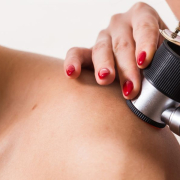
At a skin consultation with our GPs, we will thoroughly examine your skin, providing reassurance if you have any concerns. We take the time to assess your skin carefully, discuss any changes you’ve noticed, and explain what to look for in the future. If anything needs further investigation, we’ll guide you through the next steps, which may include a referral to a specialist or a biopsy for closer analysis.

You don’t need a referral or a long wait to be seen. Appointments are available quickly, and you’ll be looked after by an experienced GP who understands your concerns. We also support patients with routine skin surveillance, particularly those who have previously had skin cancer or are at higher risk.

If you’ve spotted a new mole, noticed changes in an existing one, or just want to stay on top of your health, book a consultation with EssexPrivateGP today. An early diagnosis will give you the best possible chance for early treatment and a successful recovery.

Maternal Mental Health Week is an important opportunity to shine a light on how a woman’s mental health can be affected during pregnancy and after giving birth.

Here at EssexPrivateGP, we want to help break down the stigma and encourage open, compassionate conversations about maternal mental health. Whether you’re expecting your first baby or adding to your family, we’re here to guide and support you through what can be a very emotional time.

Below, we’ll take a look at the causes of maternal mental health problems, and what help is available.

What is maternal mental health?

Maternal mental health refers to a woman’s emotional and psychological wellbeing during pregnancy and the year after giving birth. It’s a time of huge transition physically, emotionally, and socially, which can all impact how you feel day to day.

According to the pregnancy and baby charity, Tommy’s, more than 1 in every 10 women and birthing people get postnatal depression within a year of giving birth. New fathers and partners can get postnatal depression too.

For some, these feelings may begin during pregnancy (known as antenatal depression or anxiety), while others may feel fine until a few weeks or months after their baby arrives (postnatal depression or anxiety).

There are also other conditions to be aware of, such as birth-related PTSD, obsessive-compulsive symptoms, and perinatal eating disorders. Around 5% of pregnant women have an existing eating disorder, and many experience worsening symptoms during pregnancy or the postpartum period.

Hormonal changes, lack of sleep, birth trauma, or difficulties with feeding and bonding can all contribute to how a new mum feels. Furthermore, having a history of mental health problems, a traumatic birth, or a weak support network can impact negatively.

The most important thing to remember is that you’re not alone, and how you’re feeling is valid.

Support and treatment is available

If you’re struggling with low mood, anxiety, intrusive thoughts, or overwhelming feelings during pregnancy or after giving birth, there are several ways to get support. The first step is often speaking to someone you trust like your GP, midwife, or health visitor.

Depending on your symptoms and personal history, treatment options could include:

  • Talking therapies, such as cognitive behavioural therapy (CBT) or counselling.
  • Support groups or peer networks, where you can connect with other parents who understand what you’re going through.
  • Medication, especially if your symptoms are moderate to severe and not improving with therapy alone.
  • Specialist perinatal mental health services, which are designed to support mums with more complex needs.

The good news is that maternal mental health problems are treatable, and with the right support, recovery is absolutely possible.

Get in touch

If you’re feeling anxious, low, or just not yourself during or after pregnancy, don’t struggle in silence. Our friendly team at EssexPrivateGP offers confidential, judgement-free support to help you navigate this time with the care you deserve. Whatever your symptoms, we will listen to your concerns and can offer effective treatments.

Book an appointment today by calling us on 01277 568562 or by emailing us at: contact@essexprivategp.com.

April is Stress Awareness Month – the perfect time to take a step back and reflect on how stress may be affecting your daily life.

Stress is something that many of us face on a regular basis. However, long-term stress can have a detrimental impact on your physical and mental health. Studies show that chronic stress can increase the risk of mental health issues such as depression.

At our EssexPrivateGP, we believe that having honest conversations about stress and knowing when to seek help are crucial steps toward feeling healthier, happier, and more in control.

Below, we explore practical ways to manage stress and how EssexPrivateGP can help support your mental health.

Practical ways to reduce stress and burnout

When stress begins to accumulate, it’s easy to feel overwhelmed or unsure of where to turn. One of the best approaches is to adopt small, easily manageable habits that fit into your existing lifestyle.

For example, taking regular breaks during the day, whether that’s stepping away from your desk for a quick walk or simply practising a few moments of mindful breathing, can give your mind the chance to reset. Here is a list of Break Reminder Apps that can help get you moving more during the day.

It’s equally important to pay attention to what you’re eating and drinking. Excessive caffeine or sugary snacks can provide a short-term energy boost, but they can also intensify feelings of anxiety and restlessness. Instead, opt for balanced meals and keep hydrated with water or herbal teas.

Improving your sleep is also important for managing stress. Aim for seven to nine hours of quality rest per night and consider creating a wind-down routine like reading a book, listening to calming music, and limiting screen time. (Check our recent news article here for other tips such as keeping a sleep diary).

Dealing with stress in the workplace

Work can be a major source of stress, whether you’re dealing with an ever-growing workload, a demanding boss, a challenging work culture or work colleagues. A 2024 UK-wide stress study found that 30% of adults are finding work stressful – up from 23% in 2021.

Feeling pressured or overwhelmed at work can lead to serious consequences if left unaddressed. These range from minor issues such as fatigue or irritability, to more significant concerns like burnout, anxiety, or depression.

The good news is that employers are increasingly recognising the importance of mental health, with many now offering resources such as employee assistance programmes, training on stress management, or flexible working arrangements.

If you’re struggling, having an open and honest conversation with your manager about your workload or environment could be the first step toward finding a better balance. Even small adjustments like flexible hours or more frequent check-ins can help.

If speaking to your employer feels daunting, you might consider reaching out to a colleague, union representative, or mental health organisation for guidance on how best to approach the topic.

Help with managing stress

At EssexPrivate GP, we can help you explore the root causes of stress such as hormonal imbalances, sleep disorders, or underlying anxiety conditions, and discuss treatment options that might benefit you. This could include referrals for therapy or counselling, practical coping strategies, or, in some cases, personalised medication.

If you’ve been feeling weighed down by stress or burnout, remember that help is at hand. Our friendly team at EssexPrivateGP is here to listen, advise, and guide you through any concerns you might be facing, no matter how big or small they may seem.

Book an appointment to find out more and determine the best ways to manage the stress in your life.

For professional boxers, meeting the British Boxing Board of Control (BBBoC) medical requirements is a non-negotiable part of staying fight-ready. However, the process can sometimes be slow and frustrating.

At EssexPrivateGP, we offer fast, flexible, and competitively priced boxing medical assessments with Dr Akan Eka, ensuring you’re cleared to compete without unnecessary delays.

Why choose a Private GP for your Boxing Medical?

Boxing Medicals are considered non-NHS work and are not covered by the NHS contract. This means that many NHS GP practices do not offer this service and if they do, they will typically charge a private fee, which is comparable to what you’ll pay at EssexPrivateGP.

The difference?

With us, you’ll benefit from:

  • a streamlined process,
  • flexible scheduling, and
  • direct access to a doctor with extensive experience dealing with the BBBoC.

Fast, flexible, and contactable

In combat sports, timing is everything. That’s why we offer flexible appointments at short notice, helping you meet your licensing requirements without delaying your fight schedule. Unlike larger organisations, where clarifying your medical history can take time, we’ll ensure fast communication with the BBBoC.

Dr Eka is directly contactable and experienced in resolving issues quickly. Instead of dealing with slow, impersonal processes, Dr Eka personally troubleshoots issues and liaises directly with the BBBoC to prevent delays.

Comprehensive, fighter-focused medicals

Our boxing medicals cover all the essential checks required for BBBoC licensing, including:

Physical Examination – A thorough check of your overall fitness and any pre-existing conditions.

Blood Tests – Screening for blood-borne viruses such as hepatitis and HIV.

Urinalysis – To check for kidney issues

These assessments are performed by Dr Akan Eka, a highly qualified GP with firsthand experience in combat sports.

Competitive pricing without compromising on service

We understand that younger and less established fighters often have limited budgets. That’s why EssexPrivateGP offers competitive pricing while maintaining a premium level of service. With flexible appointment times, quick turnaround, and direct support to troubleshoot medical issues, we help you meet licensing requirements without the risk of fight delays.

Book your Boxing Medical Assessment with confidence

When it comes to boxing medicals, speed, flexibility, and reliability matter. At EssexPrivateGP, we provide efficient, fighter-focused assessments that prioritise your health and keep you fight-ready.

Book your boxing medical with Dr Akan Eka today and get cleared to step into the ring without unnecessary delays. Call 01277 568562 or use our online booking form here to book your Boxing Medical Assessment.

March is Ovarian Cancer Awareness Month, a yearly campaign led by organisations such as Ovarian Cancer Action which aims to spread the word about symptoms, risk factors, and early diagnosis of ovarian cancer.

Here at EssexPrivateGP, we believe that understanding the connections between ovarian cancer, menopause, and hormone replacement therapy (HRT) is an important step in empowering women to take charge of their health.

Below, we explore these links in more detail, and share news about a promising ovarian cancer vaccine that’s currently under development.

Ovarian cancer awareness

Ovarian cancer can be tricky to detect in its early stages. Symptoms may include persistent bloating, abdominal pain, feeling full quickly, or needing to urinate more often. Yet, these signs can sometimes overlap with other conditions.

It’s also worth bearing in mind that awareness extends beyond just knowing the symptoms. Genetic predisposition (such as BRCA gene mutations) can raise your risk, and lifestyle factors like diet, exercise, and stress may play a role in your overall health.

As there’s no surefire method of preventing ovarian cancer, taking note of family history and staying vigilant about any unusual changes in your body can prove invaluable. In many cases, scheduling regular check-ups or discussing any concerns with a GP can offer peace of mind and help detect issues early on.

The link between menopause, HRT, and ovarian cancer

Menopause is a natural stage in a woman’s life, but it can bring about a host of physical and emotional changes. Hot flushes, night sweats, and mood swings are just a few of the symptoms that can have a real impact on day-to-day living. It’s also important to note that fluctuations in hormones around perimenopause and postmenopause can sometimes mask early signs of ovarian issues.

In some cases, hormone replacement therapy (HRT) may be prescribed to help alleviate these symptoms by replenishing the body’s levels of oestrogen and progesterone. However, questions occasionally arise regarding how HRT may affect the risk of ovarian cancer. While certain studies have suggested that prolonged use of HRT could slightly increase the likelihood of developing ovarian cancer, it’s important to bear in mind that the absolute risk remains relatively low for many women.

At EssexPrivateGP, we have a dedicated team of GPs with experience in menopause care that will listen to your concerns and can provide personalised advice, including whether HRT is right for you. We take factors such as your family history and any underlying medical conditions into account before guiding you towards the most suitable course of action.

New promising vaccine in development

Although ovarian cancer continues to pose challenges in terms of early detection and treatment, there is encouraging news on the horizon. Researchers are working on a vaccine designed to boost the body’s immune response against ovarian cancer cells, aiming to improve survival rates for those affected.

According to Ovarian Cancer Action, this development has the potential to transform the way we tackle the disease by offering a more targeted and personalised form of protection.

While the vaccine is still undergoing testing, the preliminary results are promising. The hope is that, in the not-too-distant future, this new approach could become a viable option for women at higher risk of ovarian cancer or those who are already undergoing treatment.

Although it may be some time before the vaccine is widely available, these advances highlight the critical role that continued research and collaboration play in the fight against ovarian cancer.

If you’re experiencing any unusual symptoms, have a family history of ovarian cancer, or are currently going through menopause and wondering about HRT, please don’t hesitate to get in touch with our friendly team. We’re here to listen, answer your questions, and guide you toward the support and information you need.


National Sleep Awareness Week, running between 9th and 15th March, is a perfect opportunity to take a closer look at how well you’re sleeping. Just like our hearts, our minds and bodies depend on quality rest to function at their best. Yet, many of us struggle to get a good night’s sleep.

While it’s easy to focus on exercise and diet, getting the right amount of restorative shut eye is just as important, if not more so, for your overall health and vitality.

When you sleep, your body takes care of important tasks such as tissue repair, hormone regulation, and memory consolidation. Without adequate rest, you may find yourself feeling foggy, irritable, or simply unable to accomplish the things you’d like to do during the day.

Here, we explore sleep challenges that often affect women in menopause, and share some practical steps you can take to improve both the quality and quantity of your sleep.

Why sleep matters for our health

We often talk about nutrition and fitness, but it’s worth remembering that sleep is the time when your body carries out essential ‘housekeeping’ duties. These include balancing hormones that regulate appetite, stress, and mood, as well as strengthening your immune system. If you’re consistently short on sleep, you may notice you are catching more colds than usual or struggling to maintain a balanced diet.

A lack of rest can also affect your heart health, cognitive function, and emotional wellbeing. Over time, you may find that regular sleep disruptions lead to issues such as high blood pressure or difficulty focusing on everyday tasks.

This is why many health experts stress the importance of recognising the warning signs of poor sleep early on. For example, if you find yourself feeling unusually anxious or having trouble concentrating at work, it may be your body’s way of telling you to look at your sleep schedule.

Sleep challenges with menopause

As we get older, it’s common to notice changes in sleep habits. You may go to bed earlier, wake up earlier, or find yourself wide awake in the middle of the night.

According to the National Institute on Aging, these shifts can be partly attributed to changes in hormone levels, overall health, or daily routines.

For women, menopause can bring additional sleep disruptions. Fluctuating hormone levels, night sweats, and hot flushes may all chip away at a peaceful night’s rest. Many women find this stage of life challenging, particularly when it comes to feeling properly rested.

Our dedicated GPs with experience in menopause care are here to help women who may be experiencing sleeping difficulties as well as other symptoms. In your consultation, we’ll discuss individually tailored treatments, from simple lifestyle tweaks to medical interventions that may include HRT, as well as non-hormonal options. Get in touch to find out more and to book a menopause consultation.

Practical tips for better rest

Making small, manageable adjustments to your bedtime routine is often the key to improving your sleep. One helpful tool is a sleep diary, providing a simple way to track bedtimes, wake-up times, and any factors that could have influenced your rest, such as stress levels or caffeine intake. By writing down these observations, patterns may start to emerge, guiding you towards areas where you can fine-tune your habits.

Nowadays, there are wearable sleep tracking devices available, including rings (Oura), wristbands (WHOOP) and smartwatches (like Apple Watch). These can help give valuable insights into sleeping patterns. Here is a recent review of WHOOP comparing it with other wearables – https://www.womenshealthmag.com/uk/gym-wear/tech/a60075347/whoop-review/

Setting a consistent bedtime and wake-up schedule could also work wonders. This consistency helps your internal clock to settle into a predictable rhythm, making it easier to nod off at night and wake up feeling refreshed.

Other strategies include creating a calming evening atmosphere by dimming the lights, reducing screen time at least an hour before bed, and practising gentle relaxation techniques such as deep breathing or mindfulness.

If you’ve been struggling with persistent sleep disruptions, and if you’d like to rule out any underlying health problems, our friendly team is here to help. Schedule an appointment with EssexPrivateGP today.

KIND WORDS FROM OUR PATIENTS

Our Testimonials

Posted on Google Google
D C profile picture
D C
Google star 1Google star 2Google star 3Google star 4Google star 5Trustindex verifies that the original source of the review is Google.
I have used EssexPrivateGPs a number of times and always had a positive experience. The doctors take time to listen and explain and went beyond expectations to help on one specific matter.
Posted on Google Google
Shannon Kirk profile picture
Shannon Kirk
Google star 1Google star 2Google star 3Google star 4Google star 5Trustindex verifies that the original source of the review is Google.
Can’t recommend Dr EKA enough! He has helped me and my whole family so much, he’s always on the end of the phone with any worry’s or help I need with my anxiety or health issues & illness worry’s . Honestly so grateful for him & would highly recommend him to anyone.
Posted on Google Google
Sarah Flynn profile picture
Sarah Flynn
Google star 1Google star 2Google star 3Google star 4Google star 5Trustindex verifies that the original source of the review is Google.
We cannot recommend Essex Private GP highly enough. Dr Eka has provided our family with exceptional care and we are so so grateful to have found him and the practice. Having access to the out of hours service and knowing support is always available when needed is a huge relief. The team consistently goes above and beyond to accommodate us, whether that means fitting us in during an already fully booked day or coming out late at night to assess us. Thank you so much!
Posted on Google Google
sue woodland profile picture
sue woodland
Google star 1Google star 2Google star 3Google star 4Google star 5Trustindex verifies that the original source of the review is Google.
My first appointment with Dr Lach did not disappoint She was welcoming and easy to talk to and clearly knowledgable and well informed. She explained every step which enabled me to make an informed decision. I did not feel rushed and was given plenty of opportunities to ask further questions.i look forward to going back to see her.
Posted on Google Google
Annie Houston profile picture
Annie Houston
Google star 1Google star 2Google star 3Google star 4Google star 5Trustindex verifies that the original source of the review is Google.
I would like to take this opportunity to extend my deepest thanks and give the highest possible recommendation to Dr Eka, who has been absolutely instrumental in my daughter’s ongoing care following a particularly aggressive and resistant UTI infection. Had it not been for his exceptional dedication, knowledge and out of hours support, I dread to think what the outcome could have been. My daughter had previously been given advice and medication by our regular GP that unfortunately was not sensitive to the bacteria that had grown, not once but twice. Each time I was reassured that the infection had cleared as her symptoms appeared to settle. However, Dr Eka showed outstanding diligence and care. He advised a different course of medication purely as a precaution, advice which, had I not followed, could have resulted in my daughter becoming seriously unwell. Despite it being out of hours, he offered round the clock guidance, reassurance and support. He even said he would carry out a home visit should her condition worsen. After navigating an incredibly stretched NHS system, this level of care was profoundly reassuring. I cannot recommend Dr Eka highly enough. His kindness, professionalism and genuine commitment to patient care truly go above and beyond. I will always seek his advice in the future should we ever need it again, although I sincerely hope we do not.
Posted on Google Google
Grayson Nolan profile picture
Grayson Nolan
Google star 1Google star 2Google star 3Google star 4Google star 5Trustindex verifies that the original source of the review is Google.
Dr. Lach is nothing short of an outstanding physician! I first saw her some time ago for a personal matter, and the experience was exceptional. Unlike many of my past experiences elsewhere, Dr. Lach took the time to complete a thorough case history and an extensive physical examination. At a time when so many doctors are under immense pressure and limited for time, she stands out by ensuring her patients receive the care and attention needed to truly find the root cause of the problem. As the Director of The Chiropractic Centre – Billericay, I place great value on professionalism, respect, and attention to detail. Dr. Lach embodies all of these qualities—she is open-minded, focused, and deeply committed to her patients. Because of this, she has become my number one GP of choice, and I continue to refer a number of my own patients to her. If you want exceptional medical care, come here. Doctors like Dr. Lach are worth their weight in gold!
Posted on Google Google
F Cow profile picture
F Cow
Google star 1Google star 2Google star 3Google star 4Google star 5Trustindex verifies that the original source of the review is Google.
Highly recommend
Posted on Google Google
tia bowers profile picture
tia bowers
Google star 1Google star 2Google star 3Google star 4Google star 5Trustindex verifies that the original source of the review is Google.
Dr Akan Eka has been ever so incredibly support everytime i have been to him he has been very thorough with any health conditions i have raised. The reason why i felt the need to write a review as i don't normally, is because he saved my life. If it wasn't for Dr Eka being so knowledgeable after being failed by other doctors and paramedics i may of not been able to talk again. I reached Dr Ekas out of hours contact number as i was having some trouble after having a reaction to medication, this was ignored by 4 paramedics and made me believe it wasn't anything to worry about although i couldn't speak "it's just anxiety" meanwhile my tongue was hanging out my mouth unable to talk. I ended up believing it's just me and anxiety is that bad that i'm doing this to myself. I message Dr Eka and he knew exactly what had happened within minutes of exchanged messages. This condition needed to be blue lighted to hospital and i was neglected by the paramedics. If i hadn't had Dr Ekas out of number i would not of gone to hospital and i potentially wouldn't have been able to talk again as this was all related to my brain. I can't thankyou enough.
Posted on Google Google
Dragos Mihail profile picture
Dragos Mihail
Google star 1Google star 2Google star 3Google star 4Google star 5Trustindex verifies that the original source of the review is Google.
One of the best Private GP, that you can find in not only essex, in the whole of the UK. My personal experience was awesome. Dr. Eka is a life save, literally. Considering that I've went to several doctors and a& E, in the uk and Germany and abroad, he was the only one who treated me profesionally and was able to find my issue that I was struggling gmfor the past 4 months. 1 million stars for this place and for Dr. Eka
Posted on Google Google
Graham Carter profile picture
Graham Carter
Google star 1Google star 2Google star 3Google star 4Google star 5Trustindex verifies that the original source of the review is Google.
This was my first visit to the Essex Private GP in Billericay having tried to call my own GP several times with no luck. I booked an appointment on their website, same day, paid the fee and turned up for my appointment. Within minutes of arriving, I was seen to by Dr Lach who was lovely and took her time to understand my symptoms and to do various checks. I spent longer in conversation with Dr Lach than I did making the appointment and in the waiting room. My experience of my local GP is the complete opposite. Yes admittedly it's a premium to pay to see a doctor, but after 48 hours I am feeling loads better and my experience of making and going to a GP appointment was seamless and actually really enjoyable. Had I kept trying to get an appointment with my local GP, it could have taken days and I would have got more sick, been more stressed and this would have impacted my work even more. I strongly feel that when your health is concerned, you get what you pay for and I honestly wouldn't think twice to go privately again.

Contact Us

OFFICE HOURS

Mon to Fri: 8.30am to 5.30pm
Saturday: 8.30am to 1pm

CLINIC HOURS

Clinic Location

THE OAKDIN CLINIC

58 Laindon Road
Billericay
Essex CM12 9LD

BOOK AN APPOINTMENT

Private GP Services

EssexPrivateGP is a trading name of Medical Commercial Ltd, which is registered in England and Wales under company number 06807384. Registered Address: Beckwith Barn Warren Estate, Lordship Road, Writtle, Essex, England, CM1 3WT