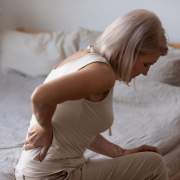
Menopause is a natural stage in a woman’s life, but how it impacts on brain function is often overlooked.

While many are aware of the physical symptoms such as hot flushes and osteoporosis risks, fewer discussions focus on how menopause affects cognitive health and mental wellbeing.

Research suggests that severe menopause symptoms may take a toll on brain function, making it essential to recognise and address these changes.

Here we’ll explore the impact menopause has on brain function, and how to manage these changes.

How menopause affects the brain

Oestrogen plays an important role in brain function, supporting memory, mood regulation, and overall cognitive health. As menopause leads to a sharp decline in oestrogen levels, many women experience symptoms such as brain fog, forgetfulness, and difficulty concentrating. Some also report an increase in anxiety, depression, or mood swings.

Studies have shown that prolonged or severe menopause symptoms could contribute to long-term cognitive decline, making early intervention key.

As well as cognitive changes, menopause may also affect neurological function in more subtle ways. Some women experience increased sensitivity to stress, making it harder to manage daily responsibilities without feeling overwhelmed. Others report a sense of mental fatigue, where tasks that once felt simple now require extra effort and concentration.

There is also growing research into the link between menopause and an increased risk of neurodegenerative diseases, such as Alzheimer’s, particularly in women with a family history of cognitive decline.

While these changes can be unsettling, understanding them can help you take proactive steps to support your brain health during this transition.

Managing brain health during menopause

There are several ways to support brain function and mental wellbeing during menopause. Lifestyle changes, including a balanced diet rich in omega-3 fatty acids, antioxidants, and whole foods, can help nourish the brain. Regular physical activity, particularly aerobic exercises, has been shown to improve memory and cognitive function.

Prioritising quality sleep, managing stress, and staying mentally active through reading, puzzles, or learning new skills can also make a significant difference.

Mindfulness and relaxation techniques, such as yoga, meditation, and deep breathing, may also help reduce the mental fog and mood swings often associated with menopause. Limiting alcohol and caffeine intake can further support cognitive clarity. Both of these substances can interfere with sleep and exacerbate anxiety.

Staying socially engaged, whether through hobbies, support groups, or spending time with loved ones, can play a useful role in maintaining mental sharpness and emotional balance.

For some women, Hormone Replacement Therapy (HRT) may offer relief by stabilising oestrogen levels and alleviating cognitive symptoms. However, this should always be discussed with a doctor to determine the best course of action based on individual needs and medical history.

Menopause consultations

Menopause consultations provide a vital opportunity to assess both physical and mental health concerns during this stage of life.

A personalised consultation allows you to explore your symptoms, discuss treatment options, and create a plan to support overall well-being.

At EssexPrivateGP, our menopause consultations go beyond symptom management, offering a holistic approach to long-term health. Whether addressing cognitive changes or mood fluctuations, we provide expert guidance to help you navigate this transition with confidence.

If you’re experiencing brain fog, memory lapses, or mood changes, you don’t have to face them alone. Book a consultation today.

February is National Heart Month – a time to raise awareness about cardiovascular health and the small steps we can all take to protect our hearts.

One key aspect of heart health that often goes unnoticed is heart rhythm. An irregular heartbeat, known as an arrhythmia, can sometimes be harmless, but in other cases, it may indicate a more serious underlying condition.

Understanding the symptoms, causes, and triggers of arrhythmias can help you take proactive steps towards maintaining a healthy heart.

What is an arrhythmia?

A normal resting heart beats between 60 and 100 times per minute. When the rhythm becomes too fast, too slow, or irregular, this is known as an arrhythmia.

Some people may experience occasional irregular heartbeats that are completely benign, while others may have conditions that require medical attention.

The main types of heart rates and arrhythmias include:

Tachycardia – where the heart beats too fast,

Bradycardia – where the heart beats too slowly,

Atrial fibrillation – an irregular and often rapid heart rhythm that increases stroke risk,

Heart block – which occurs when electrical signals in the heart are delayed or blocked.

Causes of irregular heart rhythm

Symptoms of arrhythmias can vary, but common signs include palpitations, dizziness, shortness of breath, chest discomfort, fatigue, and even fainting. While some irregular heartbeats may not be cause for concern, experiencing these symptoms regularly is a sign that you should seek medical attention.

Arrhythmias can be caused by various factors, including high blood pressure, coronary artery disease, and electrolyte imbalances. Thyroid disorders, excessive caffeine or alcohol consumption, stress, and smoking can also contribute to irregular heart rhythms.

One review found that up to 46.8% of menopausal women report having palpitations, usually during peri- and postmenopause. It found that the incidence of palpitations increased in association with worse insomnia, depression, perceived stress, and menopausal quality of life.

Managing your heart rhythm

One of the best ways to check your heart rhythm is with a thorough check-up, which typically includes an ECG (electrocardiogram) alongside other important assessments such as blood pressure monitoring.

If an arrhythmia is detected, treatment will depend on the underlying cause and severity.

Simple lifestyle changes such as reducing caffeine intake, managing stress, and engaging in regular exercise may help. In certain cases, medications may be recommended.

Even if you haven’t experienced any symptoms, taking steps to support your heart health can reduce your risk of developing an arrhythmia. Eating a balanced diet rich in fruits, vegetables, lean proteins, and healthy fats, along with regular exercise, can help keep your heart strong.

Prioritise your heart health with a Well Person Health Check

National Heart Month is the perfect time to prioritise your cardiovascular health. If you’re experiencing symptoms or simply want peace of mind, a Well Person Health Check at EssexPrivateGP can provide valuable insights into your heart rhythm and overall wellbeing.

Your heart works hard for you every day and taking care of it now can help ensure it keeps beating strong for years to come.

Nobody wants to think about cancer, especially in the new year. However, with Cervical Cancer Prevention Week running from 21st to 28th January, it serves as a vital reminder that regular screenings and awareness are crucial to our health.

Here, we’ll explore what every woman should know about the risk factors, new treatments, and steps you can take to protect your cervical health.

Risk factors for cervical cancer

Certain lifestyle factors can increase the likelihood of developing cervical cancer, for example smoking. However, infection by the human papillomavirus (HPV) remains the most common cause of cervical cancer.

However, even women with healthy lifestyles can develop it too, which shows just how important regular cervical screening, often referred to as a ‘smear test’, is. Early detection remains one of the best lines of defence, identifying abnormal cells before they have a chance to develop into cancer.

HPV: The silent risk

HPV is incredibly common. Most people who are sexually active will contract at least one strain during their lifetime.

Often, the body clears the infection without symptoms, but certain high-risk strains can linger for years undetected. This can lead to changes in cervical cells that, over time, may progress into cancer.

Regular smears help catch these changes early when treatment is most effective. It’s important to remember that HPV can remain dormant in the body, so feeling symptom-free doesn’t necessarily mean you’re in the clear.

Advanced treatments for cervical cancer

Encouraging developments in cervical cancer research means more options for patients. A recent study reported by Cancer Research UK found that combining additional chemotherapy with standard radiotherapy (known as the ‘INTERLACE’ regimen) significantly reduces the risk of death by as much as 40%.

This landmark discovery shows the incredible progress being made in cervical cancer treatment, offering hope to those already diagnosed.

Screening packages

The best way to prevent cervical cancer is through regular screening. During a cervical smear, a small sample of cells from the cervix is taken and checked for abnormalities, including high-risk HPV. By booking these tests at the recommended intervals, you give yourself the best chance to catch any potential issues early.

At EssexPrivateGP, we have a team of experienced female doctors who offer a comprehensive screening package, focusing on personalised treatments that address any health concerns. Tests can be performed in-clinic or at one of our recommended diagnostics clinics, and your doctor will provide a quick diagnosis, tailored treatments and advice.

If you’ve been putting off undergoing cervical screening, or would like more information about our health screening packages, get in touch with EssexPrivateGP today by calling 01277 568562 or email contact@essexprivategp.com.

As we enter 2025, many of us set health goals to improve our overall wellbeing. Whether it’s getting more active, shedding a few pounds, or cutting back on alcohol, every positive step can make a lasting impact.

With a little planning and consistent effort, these resolutions don’t have to fade away.

Below are some practical ways to support your new year health resolutions.

Get moving

Regular exercise is one of the best gifts you can give your body. Aim for at least 150 minutes of moderate aerobic activity or 75 minutes of vigorous activity per week. Find something you enjoy, whether it’s brisk walking, cycling, swimming, or dancing. When you choose something that feels fun, it’s easier to stick with.

Staying active doesn’t mean you have to join a gym. Simple changes, like taking the stairs instead of the lift, or going for a short walk during lunch breaks, can do wonders. Physical activity not only keeps your heart strong but also helps you manage stress and improves mood.

Manage your weight

Maintaining a healthy weight is an important goal for many people looking to start the year on the right foot. Being overweight can increase your risk of heart disease, diabetes, and certain cancers.

If weight loss is a priority, try focusing on small, sustainable changes rather than drastic measures. Keep an eye on portion sizes, include plenty of fruit and veg in your meals, and aim for balanced macronutrients (proteins, carbs, and fats). Combine good nutrition with regular exercise for the best results.

It’s also a good idea to check in with a professional if you’re not sure where to start. A personalised plan can help you make achievable goals, track progress, and stay motivated over the long term.

Eat better, feel better

A balanced diet is essential for overall health. Think of your plate as a rainbow. Load up on colourful fruits and vegetables for vitamins, minerals, and antioxidants. Whole grains, lean proteins, and healthy fats should also be part of your daily menu. If you are not sure, The Eatwell Guide is a useful resource with government recommendations for eating healthily and achieving a balanced diet.

Hydration is equally important; drinking enough water each day keeps your body functioning at its best and curbs mindless snacking.

Making healthier food choices not only supports weight management, but also helps lower your risk of high blood pressure, high cholesterol, and certain cancers. Small swaps, like choosing wholegrain bread over white, or adding extra veggies to your pasta sauce, can go a long way.

Cut back on alcohol

Reducing alcohol intake is another key strategy for improving health. In fact, according to a recent survey by charity, Alcohol Change UK, one in four adults are keen to cut down on their drinking.

Alcohol can contribute to weight gain, liver problems, and high blood pressure. By moderating your intake or choosing non-alcoholic alternatives, you can protect your heart, reduce your risk of cancer, and feel more energetic.

If you’re not sure how to start, consider trying the ‘Try Dry’ app (available here), which helps track your progress and celebrate your milestones. Taking a break from alcohol, even for a short period, can have noticeable benefits for your sleep, skin, and mood.

If you’re looking to kick off the new year the right way, consider booking a Well Person Check with EssexPrivateGP. It’s an excellent way to identify areas needing attention and make informed choices about diet, exercise, and lifestyle.

Respiratory illnesses like the flu, COVID, and pneumonia can be more than just a seasonal nuisance, they can have serious impacts on our health.

To help you prepare and keep you and your family safe, here we’ll look closely at the most common winter illnesses and how to give yourself the best protection against them.

Symptoms of common respiratory illnesses

Respiratory illnesses affect the parts of the body involved in breathing, such as the nose, throat, and lungs. Common ones include colds, influenza (the flu), and COVID, and pneumonia.

These illnesses can range from mild to severe, and knowing a bit about them can help you recognise the signs early and take appropriate action.

Here’s a brief rundown of the most common winter respiratory illnesses.

Common cold – Usually caused by viruses, colds are generally mild but can cause discomfort with symptoms like a runny nose, sore throat, and coughing.

Influenza (Flu) – The flu is more intense than a common cold and can lead to serious health problems. Symptoms often include high fever, body aches, extreme tiredness, and dry cough.

COVID – Caused by the novel coronavirus, COVID can range from mild symptoms to severe illness. Common signs include fever, cough, and shortness of breath, but some people may also experience loss of taste or smell, fatigue, and body aches.

Pneumonia – This is an infection that inflames the air sacs in one or both lungs, which can fill with fluid. Symptoms include chest pain, cough with phlegm, fever, and difficulty breathing.

In most cases, simple actions like handwashing, eating a healthy nutritious diet, and staying home when feeling unwell can help protect against these illnesses. It also helps to boost the body with vaccinations. For example, a recent study by the University of Oxford provides reassuring evidence that the COVID vaccine (the ChAdOx1 nCoV-19) effectively reduces the severity of illness.

Strengthening your protection with vaccinations

One of the most effective ways to protect against respiratory illnesses is through vaccinations. They act as a shield that helps your body fight off infections more effectively.

COVID vaccines and boosters

Staying updated on COVID vaccinations is key to keeping ourselves and our communities safe, especially those who are most vulnerable. There is useful information provided by the Joint Committee on Vaccination and Immunisation (JCVI) here – https://www.gov.uk/government/publications/vaccine-update-issue-350-september-2024/vaccine-update-issue-350-september-2024

If you’re eligible, getting the booster can boost your protection, especially with new variants circulating. It’s understandable to have questions and talking to a doctor can help you make an informed decision that you feel comfortable with.

The annual flu vaccine

The flu virus can lead to serious complications, especially in older adults and those with existing health conditions. Getting the flu vaccine each year is a straightforward way to reduce your risk.

You can find useful guidance including whether you’re at higher risk – here.

Some people worry about side effects or believe that the vaccine can give you the flu. Side effects are usually mild, and the vaccine cannot cause the flu.

If you are looking to protect your family from respiratory illnesses this winter and would like more information, get in touch with EssexPrivateGP today.

The holiday season is often portrayed as a time of joy, togetherness, and celebration. But if you’ve lost someone dear to you, this time of year can feel especially challenging.

With National Grief Awareness Week taking place from 2nd – 8th December, it’s a timely reminder that you’re not alone in your feelings.

Grieving during Christmas can be overwhelming, but there are ways to make it that little bit easier.

Here we’ll discuss some of the best strategies to help you through this difficult time.

Go easy on yourself

First and foremost, it’s important to give yourself permission to feel whatever emotions come up. Grief doesn’t follow a schedule, and it’s perfectly okay to have moments of sadness, anger, or even numbness during the holidays. Be kind to yourself and acknowledge that you’re doing the best you can.

You may find that certain traditions or activities feel too painful this year, and that’s completely understandable. Allow yourself the flexibility to skip events or tasks that feel overwhelming. Communicate your needs to friends and family; they’ll likely understand and appreciate your honesty. Remember, taking care of yourself isn’t selfish, it’s essential, especially when you’re grieving.

Consider setting aside time each day for activities that bring you comfort. It could be something as simple as taking a walk in nature, reading a book, or listening to music that soothes your soul. These small acts of self-compassion can make a significant difference.

Don’t be afraid to begin new traditions

The absence of a loved one can make longstanding traditions feel bittersweet or even unbearable. It can help to create new traditions that honour their memory while allowing you to move forward in a way that feels right for you.

Perhaps you could light a special candle in their honour during dinner or visit a place that held meaning for both of you. Some people find solace in volunteering or donating to a charity that their loved one cared about.

Involving friends and family in these new traditions can also foster a sense of connection and support. Sharing stories and memories can be a healing experience for everyone involved. It’s about finding a balance that respects your grief while also embracing the present.

Be wary of drinking too much alcohol

While a drink may seem like the best way to take the edge off difficult emotions, it’s important to be mindful of your consumption. Alcohol can intensify feelings of sadness or lead to unintended outbursts, potentially making you feel worse in the long run.

If you choose to drink, try to do so in moderation. Keep an eye on how it affects your mood and consider alternating alcoholic drinks with water or non-alcoholic options. Remember, it’s perfectly acceptable to decline a drink altogether. Your wellbeing comes first, and those who care about you will respect your choices.

Consider finding other ways to cope with intense emotions. This could include talking to a trusted friend, writing in a journal, or engaging in a calming activity like yoga or meditation. These alternatives can provide relief without the potential downsides that alcohol can bring.

Grieving during Christmas is undeniably hard but remember that you don’t have to go through it alone. Above all, be gentle with yourself. Healing takes time, and it’s okay to take each day as it comes. By embracing new traditions, being mindful of your wellbeing, and preparing for challenging moments, you can find your own path through the holiday season.

If you or someone you know is struggling with grief, organisations like The Good Grief Trust offer valuable resources and support networks. Don’t hesitate to reach out – they’re there to help. You can also schedule an appointment with our friendly, supportive staff at the PrivateEssexGP clinic to discuss effective coping strategies.

Did you know that 64% of men wait more than seven days with symptoms before visiting the doctor?

This statistic from the ‘Real Face of Men’s Health’ report is concerning, but sadly not surprising.

As we embrace Movember, a month dedicated to raising awareness about men’s health, it’s a good time to encourage ourselves and the men in our lives to prioritise wellbeing.

What are common men’s health issues?

Taking care of your health is essential, but it’s easy to overlook symptoms or put off that doctor’s appointment. Let’s explore some common health issues affecting men and how you can take proactive steps to address them.

Obesity

Whether caused by a poor diet, lack of physical activity, medical condition, or medication, obesity is a common health issue for men. In 2018, around 70% of men (aged 16 years+) were reported to be overweight or obese. Everyone should aim to maintain a healthy body weight of (BMI 18.5-25 kg/m2). The NHS has a useful resource for measuring your BMI here – https://www.nhs.uk/health-assessment-tools/calculate-your-body-mass-index/.

Carrying excess weight can lead to serious health problems like heart disease, diabetes, and a stroke.

If you are currently obese or overweight, start by incorporating more physical activity into your daily routine. Aim for at least 150 minutes of moderate exercise each week such as brisk walking, cycling, or even playing football with friends.

Small changes in your diet can also make a big difference. Try swapping out processed foods for fresh fruits, vegetables, lean proteins, and whole grains. Setting realistic goals and making gradual changes can lead to lasting results.

Prostate Cancer

Prostate cancer is the most common cancer among men. Early stages often have no symptoms, so regular check-ups are extremely important.
Symptoms to watch out for include difficulty urinating, a weak urine flow, frequent urges to urinate (especially at night), or blood in urine or semen. While these symptoms don’t always mean cancer, they should prompt a visit to your doctor.

If you’re over 50, or over 45 with a family history of prostate cancer, talk to your GP about screening options. Being informed about your risk factors and maintaining regular check-ups can lead to early detection and more effective treatment.

Testicular Cancer

Although rare, a lump or firm part of the testicle can indicate testicular cancer, and it’s important to get this checked with your GP as soon as possible. Testicular cancer is one of the most treatable cancers and, when caught in the early stages, has a cure rate close to 100%.

Many men are able to identify the problem by doing a self-exam – this is a useful guide – https://www.baus.org.uk/_userfiles/pages/files/Patients/Leaflets/Testicular%20self%20examination.pdf If you notice a lump, or feel any pain, discomfort or swelling, or any changes in your testicles or scrotum, then book in with your GP immediately.

Mental Health

Mental health issues like depression, anxiety, and stress affect many men but are often left unaddressed due to stigma or reluctance to discuss feelings. According to the Real Face of Men’s Health Report, men in England are three times more likely to die from suicide than women. Suicide is also the leading cause of death for men aged 20-34.

If you are struggling with your mental health, contact someone you trust and share how you’re feeling. That could be a friend, family member, or a professional. Engaging in activities you enjoy, staying connected with others, and practising mindfulness or relaxation techniques can also help manage stress and improve your mood.

Remember, seeking help is a sign of strength, not weakness. You’re not alone, and support is available.

Book a Well Person Health Check

Taking proactive steps can make all the difference in maintaining good health. A Well Person Health Check offers a comprehensive overview of your health, helping you identify potential issues before they become serious.

At EssexPrivateGP, our Well Person Health Check includes:

  • Comprehensive Screening: Blood tests, blood pressure checks, and assessments for heart health and diabetes risk.
  • Personalised Advice: Tailored recommendations based on your results to help you improve or maintain your health.
  • Convenient Appointments: Flexible scheduling to suit your busy life.
  • Full Report emailed or posted to you.

Prioritise your health today, for yourself and for those who care about you.

Schedule your Well Person Health Check with EssexPrivateGP and take the first step toward better health this Movember.

November marks National Healthy Skin Month, a campaign introduced in 1997 by the American Academy of Dermatology (AAD). It’s the perfect time to give your skin some extra love and attention.

Our skin isn’t just our largest organ, but also our first line of defence against the elements. Taking care of it is essential for our overall health and wellbeing.

Let’s explore some simple yet effective ways to keep your skin healthy, radiant, and protected.

Keep an eye on your skin

One of the most important steps in skincare is regularly monitoring your skin for any changes. Look out for new moles, freckles, or alterations in existing spots to catch any issues early on.

If you have a history of skin cancer, have an outdoors job, or have fair or red hair and skin that burns easily, you are at higher risk of skin cancer and need to take extra care when out in the sun with reliable sun protection.

Make it a habit to examine your skin from head to toe once a month. Use a mirror for hard-to-see areas or ask a loved one for help. Look for anything unusual, such as new growths, changes in size, shape, or colour of existing moles, sores that don’t heal, or any itching and tenderness. The British Association of Dermatologists provides this useful guide for checking your moles.

If you notice anything suspicious, seek medical advice as soon as possible.

Avoid sunbeds

While a bronzed glow often makes us look healthier, using sunbeds is not the way to achieve it. Sunbeds emit ultraviolet (UV) radiation that can damage your skin just like the sun does, leading to premature ageing and increasing the risk of skin cancer.

The American Academy of Dermatology Association claims that indoor tanning can increase the risk of developing the two most common types of skin cancer – squamous cell carcinoma by 58% and basal cell carcinoma by 24%.

Instead of sunbeds, consider alternatives like self-tanning products or bronzing makeup, which can provide a natural-looking tan without harmful UV exposure.

Remember, there’s no such thing as a safe tan from UV radiation. Protecting your skin today can help prevent serious problems in the future.

Get professional skin advice

Board-certified dermatologists and skin specialists can assess your unique skin type and concerns, providing personalised advice and safe treatments. They use clinically tested products and techniques that are effective and tailored to your individual needs. More useful information for patients with specific skin conditions can be found on the British Association of Dermatologists website here.

Taking care of your skin doesn’t have to be complicated. Perform regular skin checks by setting aside time each month to examine your skin thoroughly. Use a broad-spectrum sunscreen with a high SPF (preferably SPF 50) daily to protect your skin from UV rays, even on cloudy days. Drinking plenty of water also keeps your skin hydrated and looking naturally more radiant.

At EssexPrivateGP, we offer general skin consultations as well as aesthetic consultations that include treatments like dermal fillers, using a high standard hyaluronic acid for targeting a wide range of concerns. Schedule an appointment with our experienced team today.

October is Breast Cancer Month. It’s an opportunity to highlight the importance of self breast checks and screenings. Although breast cancer is typically diagnosed in post-menopausal women, it remains the leading cause of death in women between the ages of 35 and 49.

In the UK, mammogram screenings for women start from age 50 – but a study published in The Lancet found mammography screenings from age 40 would help save lives. Anyone at higher risk of breast cancer, or who is concerned about symptoms, can benefit from earlier checks.

If breast cancer is caught earlier, there is a much higher likelihood of successful treatment and survival.

Breast cancer risk assessment in young women

There has been an increasing rate of early-onset breast cancer. Girls Aloud singer Sarah Harding, died at the age of 39 from breast cancer. Her dying wish was for more research and to find new ways to spot the signs of the disease earlier.

Launched in her memory, the breast screening research project ‘BCAN-RAY’ was set up to support younger women with breast cancer. The study involves a saliva test that checks for subtle DNA changes associated with breast cancer. It also looks at other factors including history of contraceptive pill medication, alcohol consumption and breast tissue density.

The researchers hope to recruit 1,000 women in their 30’s with no family history of breast cancer. So far, out of 96 women who’ve received their risk score, a quarter have been found at higher risk so will begin having yearly mammograms before turning 40.

Self-checking your breasts

Research suggests that a large number of women are not checking their breasts for abnormalities. Many women do not know what they are looking for, or are not confident enough to get a second opinion.

It’s important to do regular self-checks and if you spot anything unusual, consult with a doctor. Signs to be aware of include asymmetry of the breasts and nipple changes such as discharge or peeling skin around the nipple. There is useful information about how to carry out a simple breast check on the NHS site here.

https://www.nationalbreastcancer.org/breast-self-exam/ – this is also a good site for self exam.

Book a consultation

Although there is no guarantee that you can prevent breast cancer, there are ways to reduce your risk. Maintaining a healthy weight, eating a healthy diet and limiting your alcohol are all effective ways to lower your chances of getting breast cancer.

At EssexPrivateGP, we have a team of experienced female doctors here to give women support with any concerns about breast cancer. We can evaluate your risk and can give lifestyle advice for your specific needs so you can achieve your health goals and lower your chance of having breast cancer.

If you would like help with a physical examination, or would like to discuss organising a breast cancer screening, get in touch with our friendly, dedicated team today.

Each year, two important health awareness days fall just days apart – World Menopause Day on 18 October and World Osteoporosis Day on 20 October. These events highlight two significant aspects of women’s health which are often interrelated.

Osteoporosis is a condition affecting bone health that affects around 22% women aged over 50, after menopause. According to the International Osteoporosis Foundation, approximately 1 in 3 women over the age of 50 will suffer from osteoporotic fractures, highlighting the importance of early prevention and treatment.

The link between menopause and osteoporosis

Osteoporosis is characterised by a reduction in bone density, which leads to weakened bones and an increased risk of fractures. For women, the risk of osteoporosis increases significantly after menopause due to the decrease in oestrogen, a hormone that plays a vital role in maintaining bone density.

Studies have shown that women who go through early menopause are at greater risk of osteoporosis, as they have a longer period without the protective effects of oestrogen on their bones.

Preventing osteoporosis with lifestyle changes

While menopause increases the risk of osteoporosis, there are several lifestyle changes women can make to help protect their bones and reduce the risk of developing this condition.

Vitamin D, found in oil fish, eggs and fortified foods and natural sunlight, is essential for bone health because it helps the body absorb calcium, which is necessary for strong bones. During the winter months, when sunlight is limited, the Royal Osteoporosis Society recommends taking a vitamin D supplement to ensure adequate levels (10 – 25 micrograms (or 400 – 1000 IU) of vitamin D is a safe level of intake).

Regular physical activity, particularly weight-bearing exercises like walking, jogging, or strength/weights training, helps maintain bone density and strengthens muscles, reducing the risk of falls and fractures.

A balanced diet rich in calcium is critical for bone health. Dairy products, leafy green vegetables, and fortified foods can provide the calcium necessary to keep bones strong. Also, maintaining a healthy body weight and quitting smoking and avoiding excessive alcohol help in osteoporosis prevention.

Common treatments for osteoporosis

In addition to lifestyle changes, there are several medical treatments available to help manage osteoporosis. EssexPrivateGP offers consultations where women can discuss personalised treatment options with an experienced doctor and we can refer patients to the appropriate speciality if needed.

Hormone Replacement Therapy (HRT) is often prescribed to women going through menopause, as it can help alleviate menopausal symptoms with the added protection against bone loss – by replacing the oestrogen that is lost during menopause. HRT has been shown to significantly reduce the risk of fractures in postmenopausal women.

Other medications for osteoporosis include bisphosphonates which help slow down the rate at which bone is broken down, helping to maintain bone density. Other injectable options include Romosozumab, or for severe osteoarthritis, Parathyroid (PTH) hormone analogues such as Teriparatide, can help stimulate bone formation.

A new treatment option recommended for postmenopausal women at high risk of fractures, recently approved by NICE, is Abaloparatide. This medication works by stimulating new bone growth, making it an exciting development in osteoporosis treatment.

Menopause consultations at EssexPrivateGP

At EssexPrivateGP, women can receive a menopause consultation, where they can discuss their risk for osteoporosis and the best treatment options for their individual needs.

Whether it’s lifestyle advice, HRT, or guidance on other personalised treatments, EssexPrivateGP offers women the support they need to manage their bone health during and after menopause.

If you’re concerned about your bone health or the effects of menopause, book a consultation today to discuss the right course of action for you.

KIND WORDS FROM OUR PATIENTS

Our Testimonials

Posted on Google Google
D C profile picture
D C
Google star 1Google star 2Google star 3Google star 4Google star 5Trustindex verifies that the original source of the review is Google.
I have used EssexPrivateGPs a number of times and always had a positive experience. The doctors take time to listen and explain and went beyond expectations to help on one specific matter.
Posted on Google Google
Shannon Kirk profile picture
Shannon Kirk
Google star 1Google star 2Google star 3Google star 4Google star 5Trustindex verifies that the original source of the review is Google.
Can’t recommend Dr EKA enough! He has helped me and my whole family so much, he’s always on the end of the phone with any worry’s or help I need with my anxiety or health issues & illness worry’s . Honestly so grateful for him & would highly recommend him to anyone.
Posted on Google Google
Sarah Flynn profile picture
Sarah Flynn
Google star 1Google star 2Google star 3Google star 4Google star 5Trustindex verifies that the original source of the review is Google.
We cannot recommend Essex Private GP highly enough. Dr Eka has provided our family with exceptional care and we are so so grateful to have found him and the practice. Having access to the out of hours service and knowing support is always available when needed is a huge relief. The team consistently goes above and beyond to accommodate us, whether that means fitting us in during an already fully booked day or coming out late at night to assess us. Thank you so much!
Posted on Google Google
sue woodland profile picture
sue woodland
Google star 1Google star 2Google star 3Google star 4Google star 5Trustindex verifies that the original source of the review is Google.
My first appointment with Dr Lach did not disappoint She was welcoming and easy to talk to and clearly knowledgable and well informed. She explained every step which enabled me to make an informed decision. I did not feel rushed and was given plenty of opportunities to ask further questions.i look forward to going back to see her.
Posted on Google Google
Annie Houston profile picture
Annie Houston
Google star 1Google star 2Google star 3Google star 4Google star 5Trustindex verifies that the original source of the review is Google.
I would like to take this opportunity to extend my deepest thanks and give the highest possible recommendation to Dr Eka, who has been absolutely instrumental in my daughter’s ongoing care following a particularly aggressive and resistant UTI infection. Had it not been for his exceptional dedication, knowledge and out of hours support, I dread to think what the outcome could have been. My daughter had previously been given advice and medication by our regular GP that unfortunately was not sensitive to the bacteria that had grown, not once but twice. Each time I was reassured that the infection had cleared as her symptoms appeared to settle. However, Dr Eka showed outstanding diligence and care. He advised a different course of medication purely as a precaution, advice which, had I not followed, could have resulted in my daughter becoming seriously unwell. Despite it being out of hours, he offered round the clock guidance, reassurance and support. He even said he would carry out a home visit should her condition worsen. After navigating an incredibly stretched NHS system, this level of care was profoundly reassuring. I cannot recommend Dr Eka highly enough. His kindness, professionalism and genuine commitment to patient care truly go above and beyond. I will always seek his advice in the future should we ever need it again, although I sincerely hope we do not.
Posted on Google Google
Grayson Nolan profile picture
Grayson Nolan
Google star 1Google star 2Google star 3Google star 4Google star 5Trustindex verifies that the original source of the review is Google.
Dr. Lach is nothing short of an outstanding physician! I first saw her some time ago for a personal matter, and the experience was exceptional. Unlike many of my past experiences elsewhere, Dr. Lach took the time to complete a thorough case history and an extensive physical examination. At a time when so many doctors are under immense pressure and limited for time, she stands out by ensuring her patients receive the care and attention needed to truly find the root cause of the problem. As the Director of The Chiropractic Centre – Billericay, I place great value on professionalism, respect, and attention to detail. Dr. Lach embodies all of these qualities—she is open-minded, focused, and deeply committed to her patients. Because of this, she has become my number one GP of choice, and I continue to refer a number of my own patients to her. If you want exceptional medical care, come here. Doctors like Dr. Lach are worth their weight in gold!
Posted on Google Google
F Cow profile picture
F Cow
Google star 1Google star 2Google star 3Google star 4Google star 5Trustindex verifies that the original source of the review is Google.
Highly recommend
Posted on Google Google
tia bowers profile picture
tia bowers
Google star 1Google star 2Google star 3Google star 4Google star 5Trustindex verifies that the original source of the review is Google.
Dr Akan Eka has been ever so incredibly support everytime i have been to him he has been very thorough with any health conditions i have raised. The reason why i felt the need to write a review as i don't normally, is because he saved my life. If it wasn't for Dr Eka being so knowledgeable after being failed by other doctors and paramedics i may of not been able to talk again. I reached Dr Ekas out of hours contact number as i was having some trouble after having a reaction to medication, this was ignored by 4 paramedics and made me believe it wasn't anything to worry about although i couldn't speak "it's just anxiety" meanwhile my tongue was hanging out my mouth unable to talk. I ended up believing it's just me and anxiety is that bad that i'm doing this to myself. I message Dr Eka and he knew exactly what had happened within minutes of exchanged messages. This condition needed to be blue lighted to hospital and i was neglected by the paramedics. If i hadn't had Dr Ekas out of number i would not of gone to hospital and i potentially wouldn't have been able to talk again as this was all related to my brain. I can't thankyou enough.
Posted on Google Google
Dragos Mihail profile picture
Dragos Mihail
Google star 1Google star 2Google star 3Google star 4Google star 5Trustindex verifies that the original source of the review is Google.
One of the best Private GP, that you can find in not only essex, in the whole of the UK. My personal experience was awesome. Dr. Eka is a life save, literally. Considering that I've went to several doctors and a& E, in the uk and Germany and abroad, he was the only one who treated me profesionally and was able to find my issue that I was struggling gmfor the past 4 months. 1 million stars for this place and for Dr. Eka
Posted on Google Google
Graham Carter profile picture
Graham Carter
Google star 1Google star 2Google star 3Google star 4Google star 5Trustindex verifies that the original source of the review is Google.
This was my first visit to the Essex Private GP in Billericay having tried to call my own GP several times with no luck. I booked an appointment on their website, same day, paid the fee and turned up for my appointment. Within minutes of arriving, I was seen to by Dr Lach who was lovely and took her time to understand my symptoms and to do various checks. I spent longer in conversation with Dr Lach than I did making the appointment and in the waiting room. My experience of my local GP is the complete opposite. Yes admittedly it's a premium to pay to see a doctor, but after 48 hours I am feeling loads better and my experience of making and going to a GP appointment was seamless and actually really enjoyable. Had I kept trying to get an appointment with my local GP, it could have taken days and I would have got more sick, been more stressed and this would have impacted my work even more. I strongly feel that when your health is concerned, you get what you pay for and I honestly wouldn't think twice to go privately again.

Contact Us

OFFICE HOURS

Mon to Fri: 8.30am to 5.30pm
Saturday: 8.30am to 1pm

CLINIC HOURS

Clinic Location

THE OAKDIN CLINIC

58 Laindon Road
Billericay
Essex CM12 9LD

BOOK AN APPOINTMENT

Private GP Services

EssexPrivateGP is a trading name of Medical Commercial Ltd, which is registered in England and Wales under company number 06807384. Registered Address: Beckwith Barn Warren Estate, Lordship Road, Writtle, Essex, England, CM1 3WT